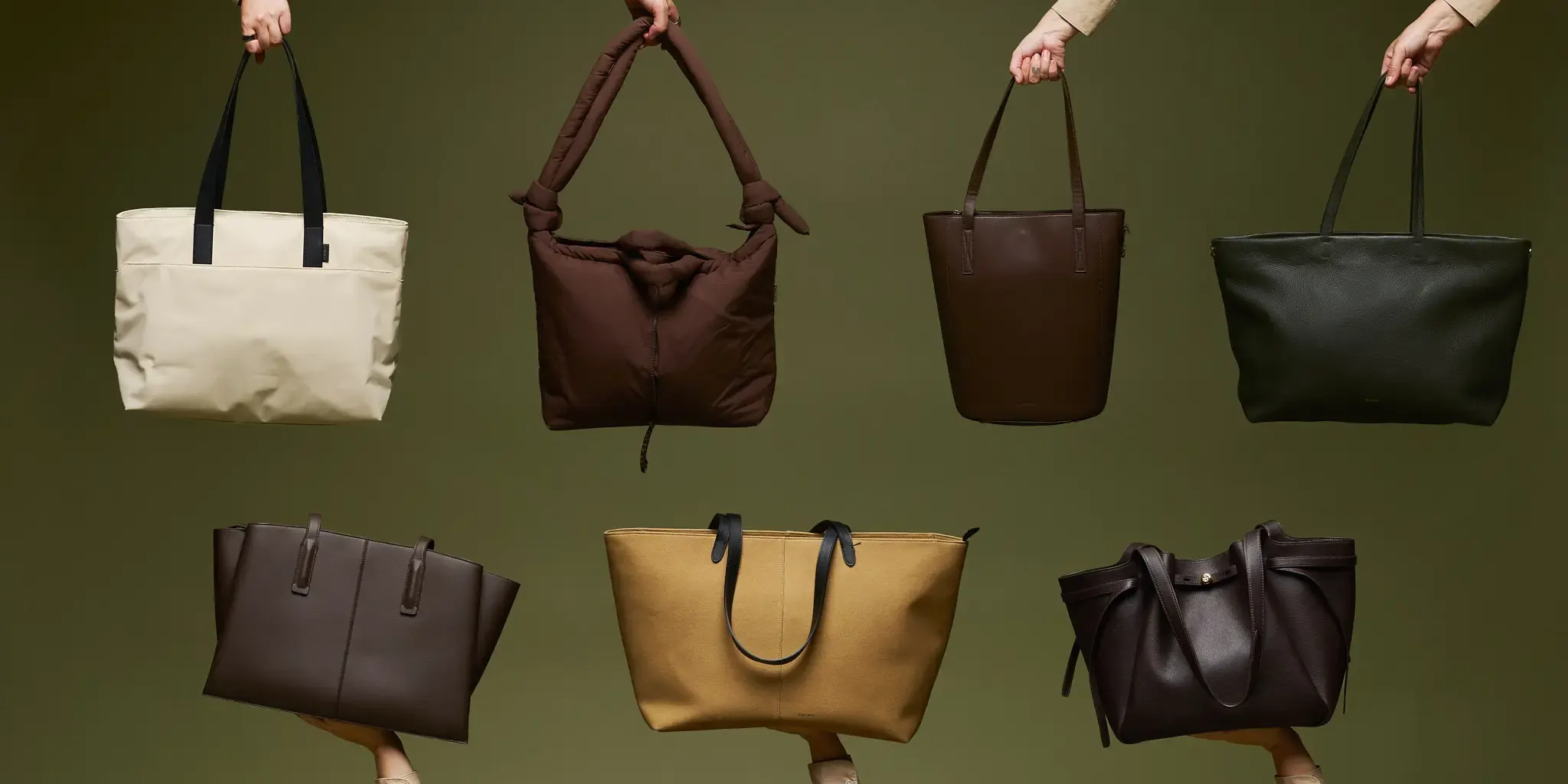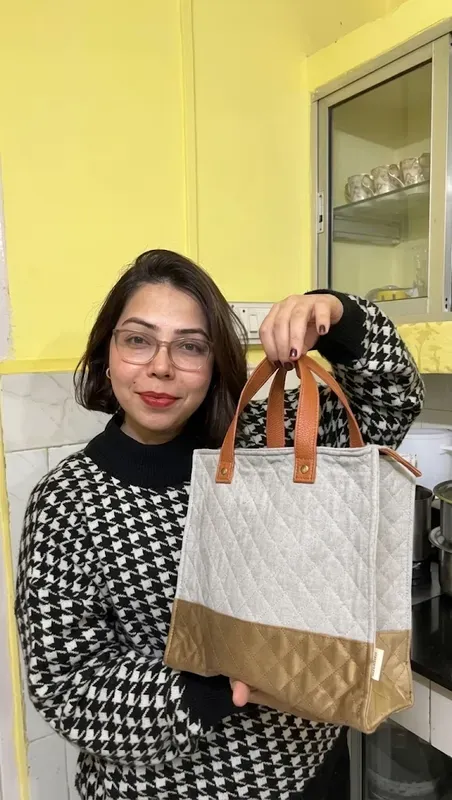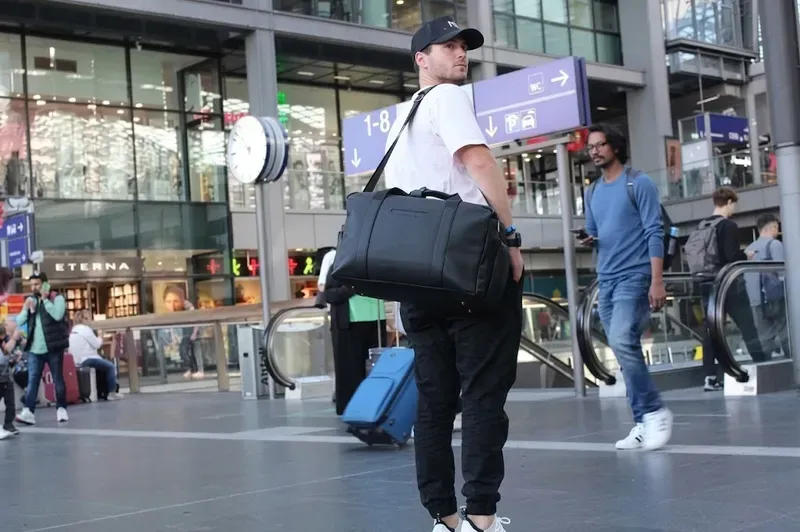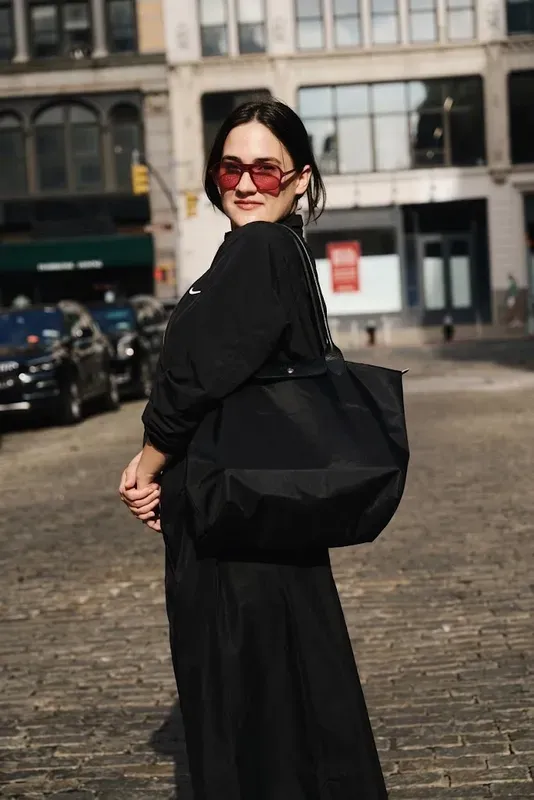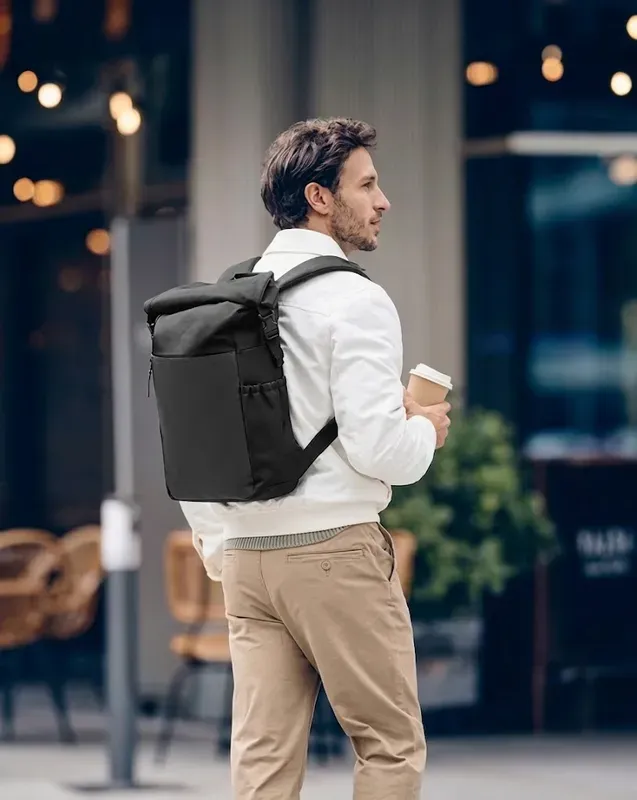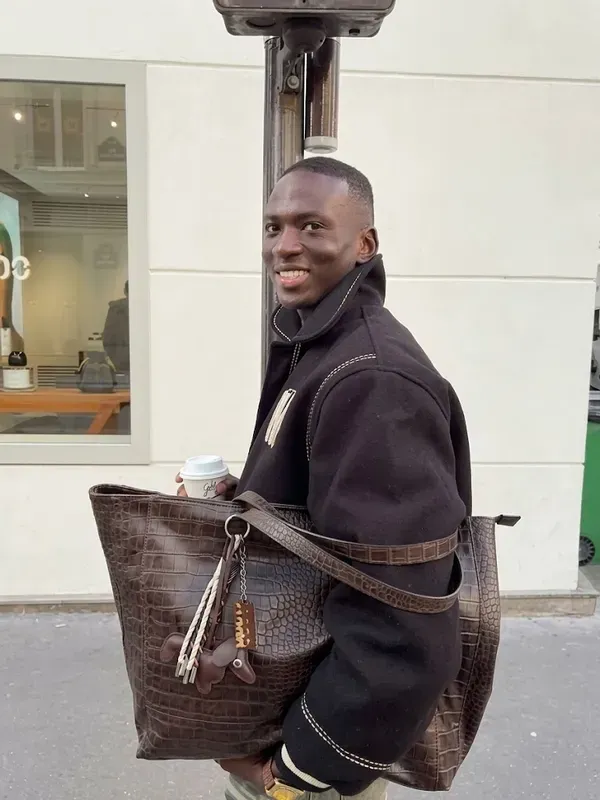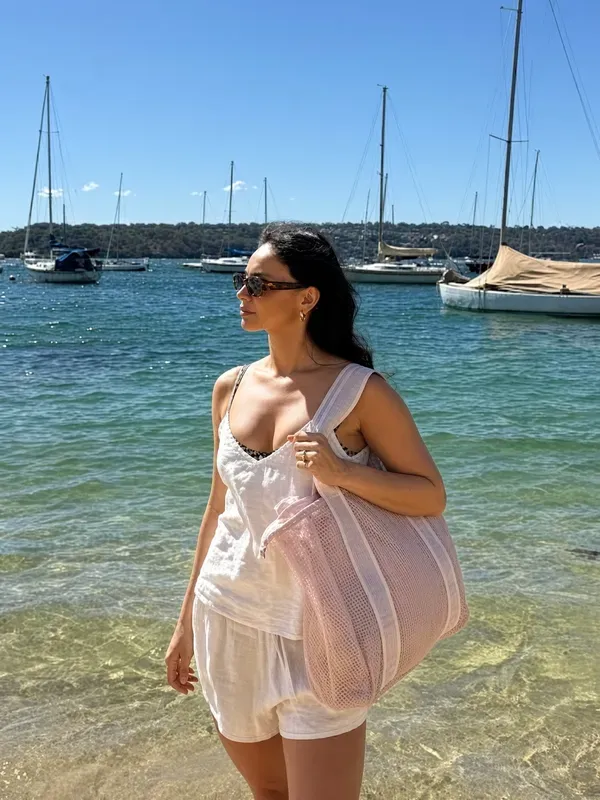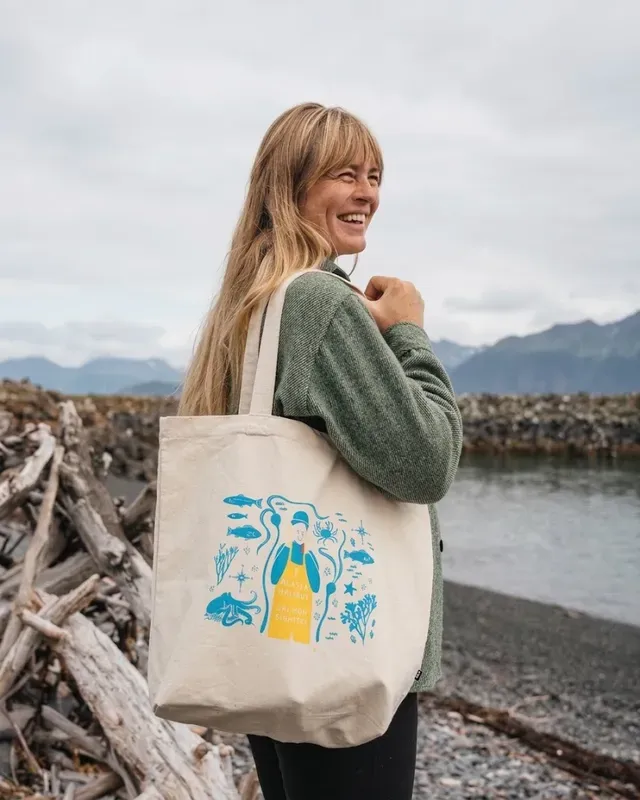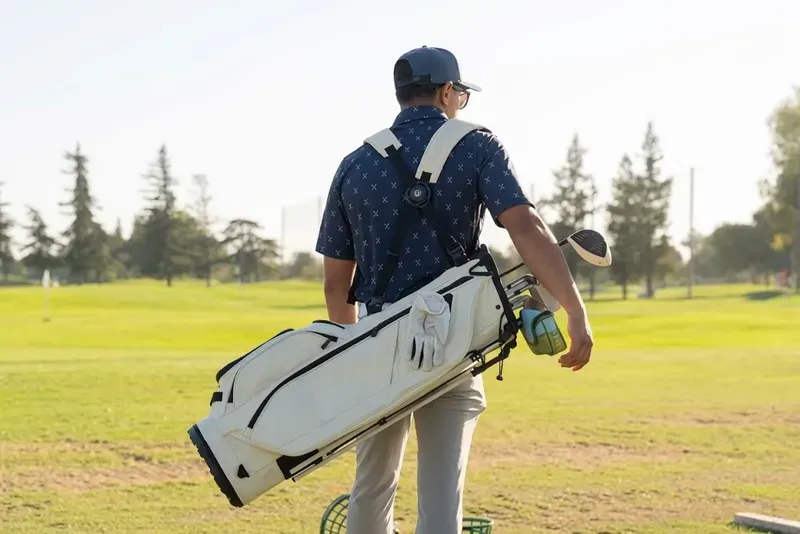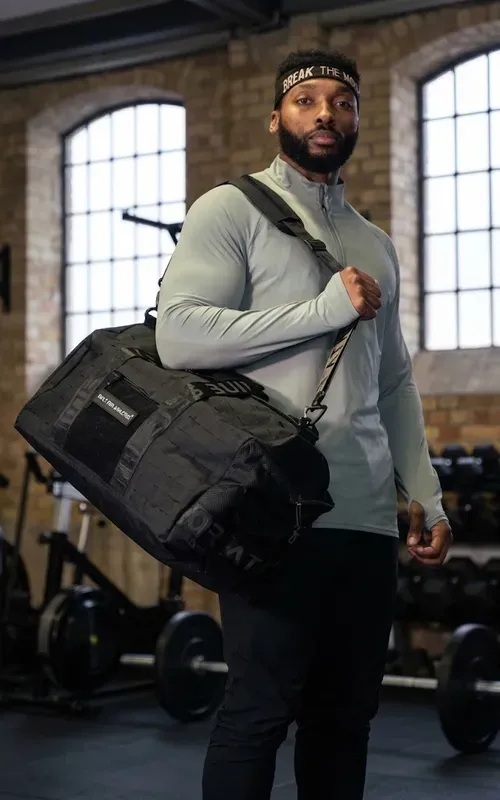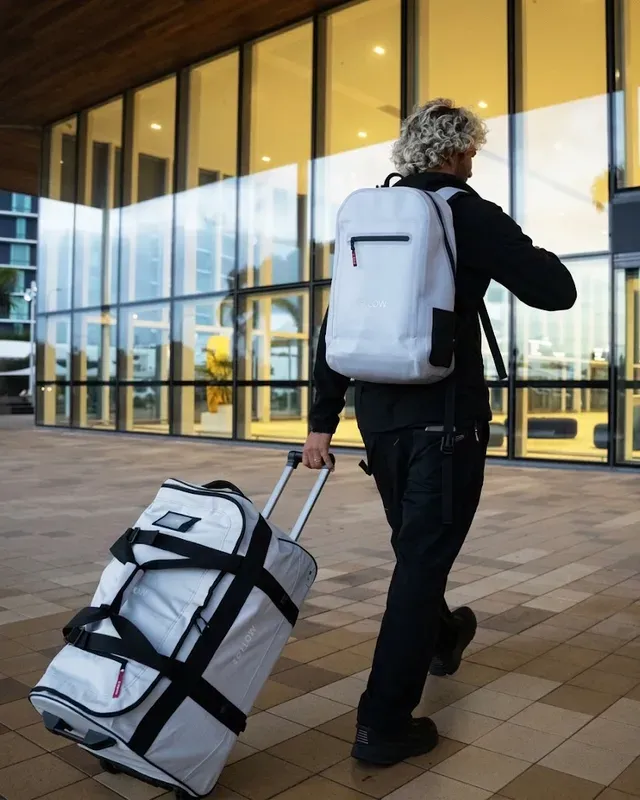
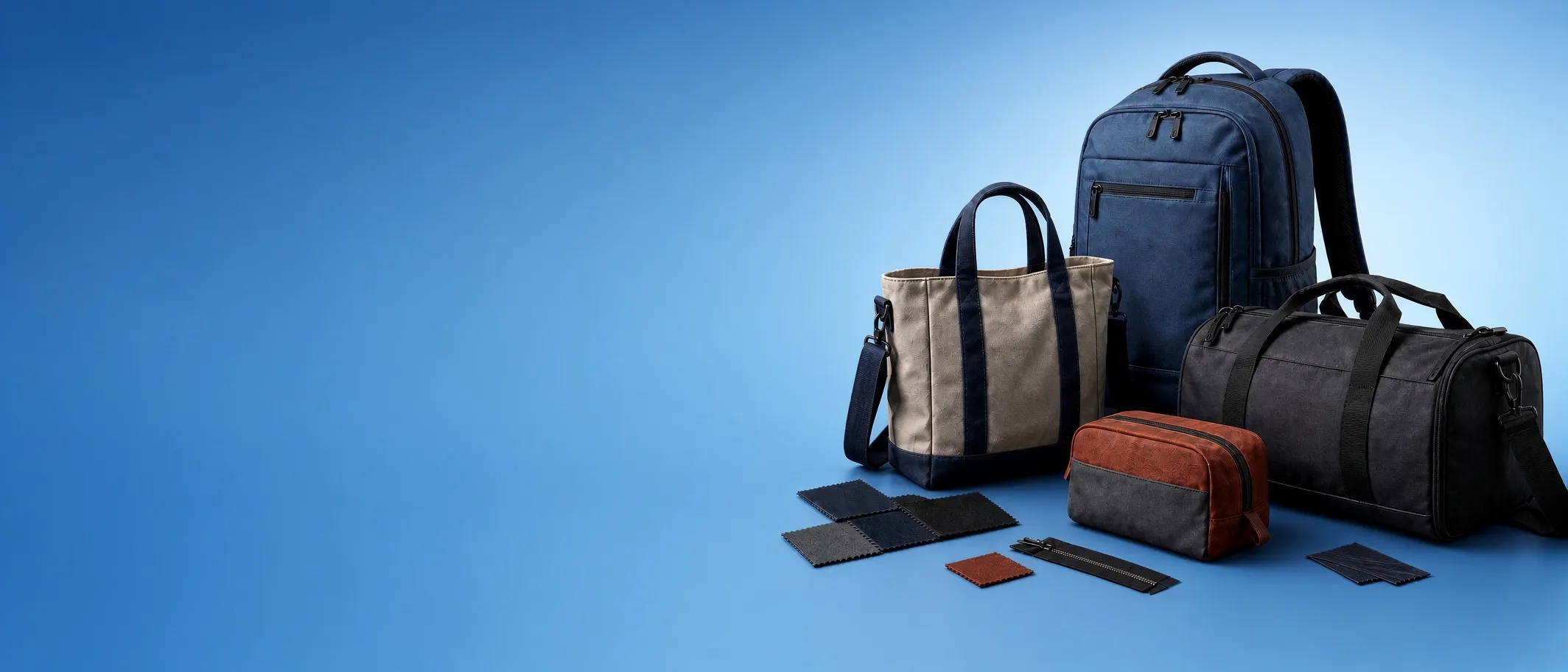
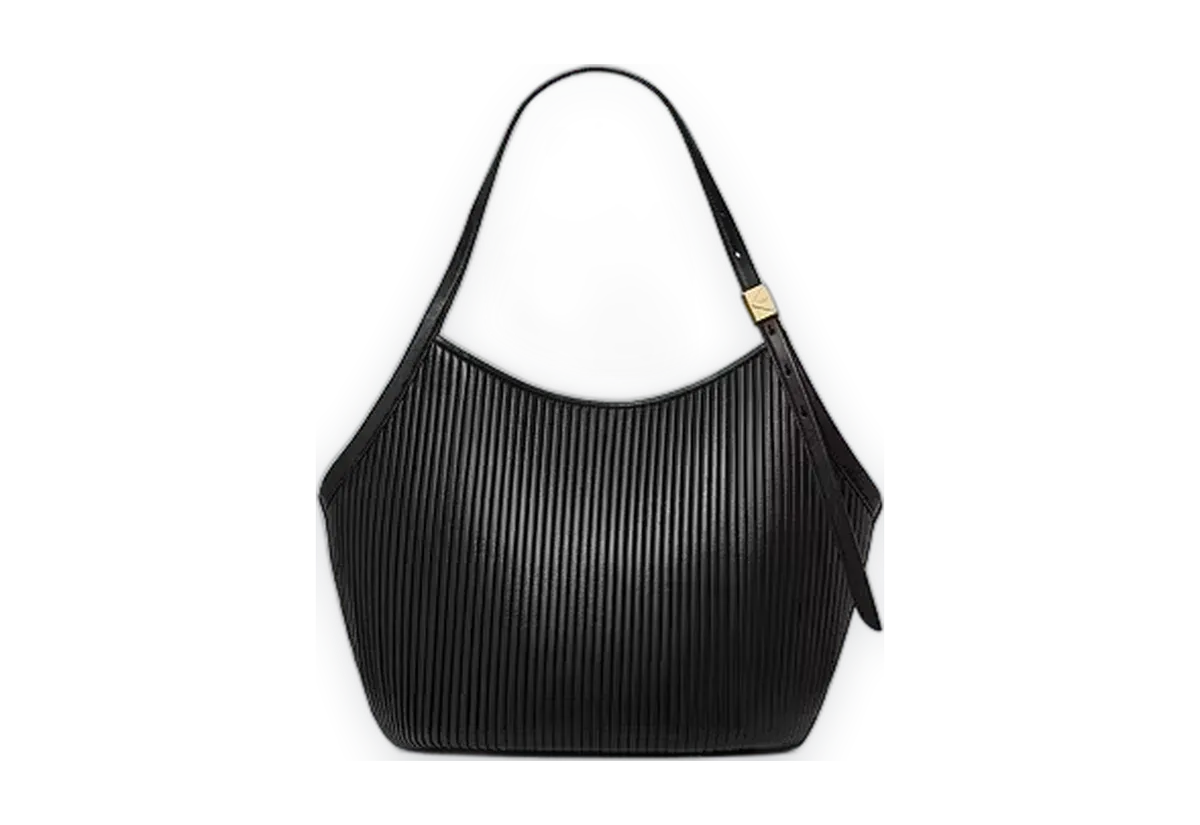
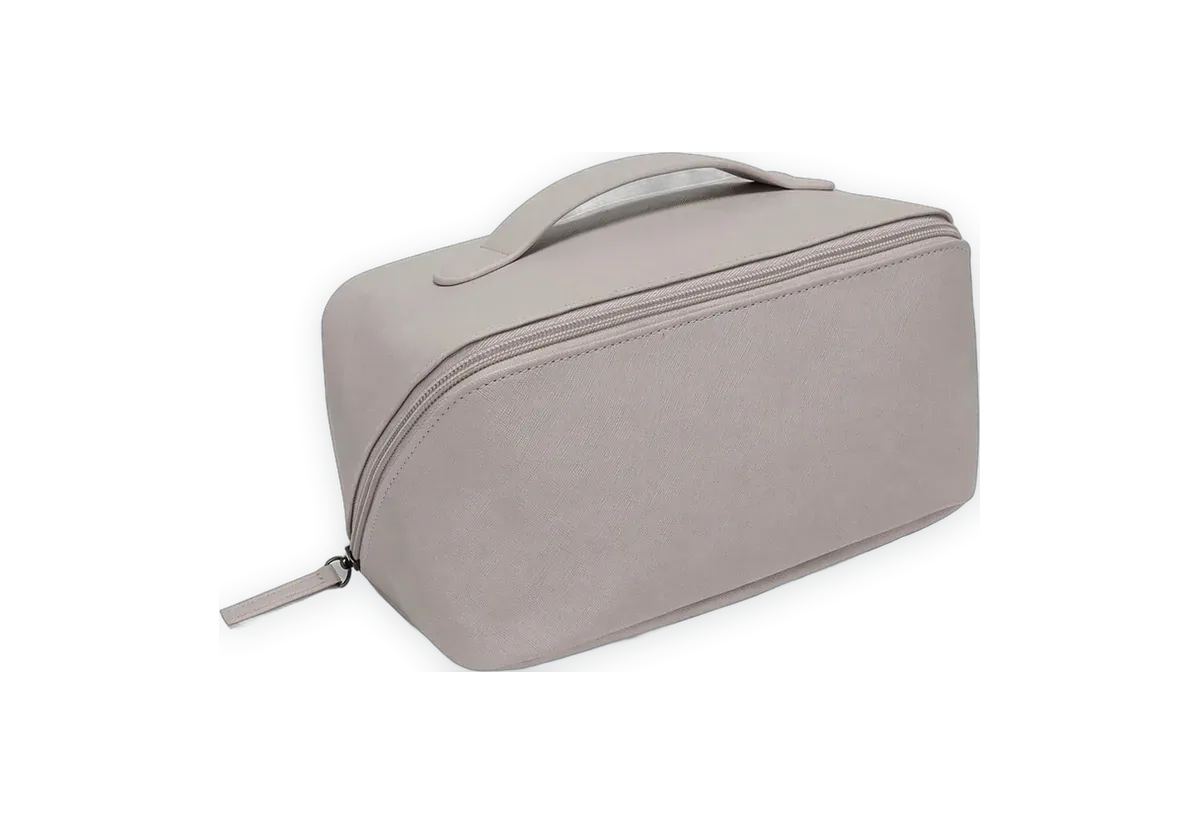
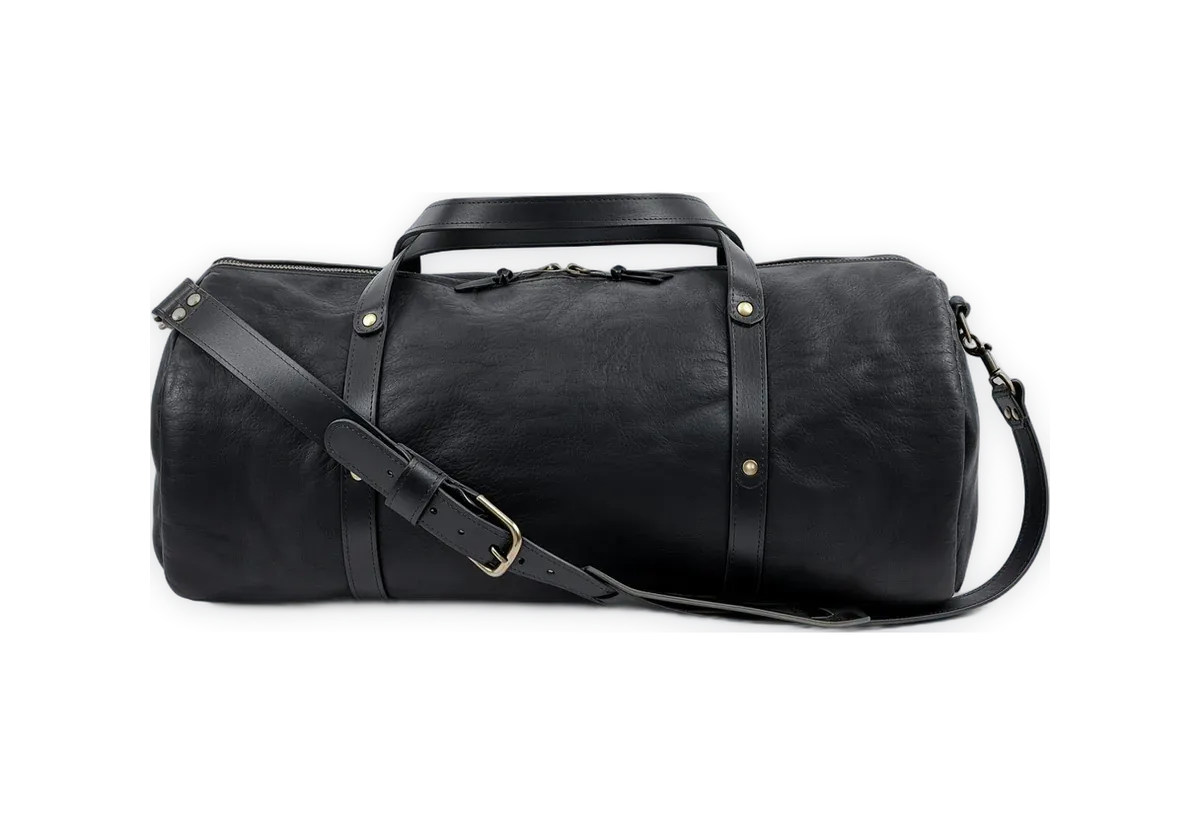
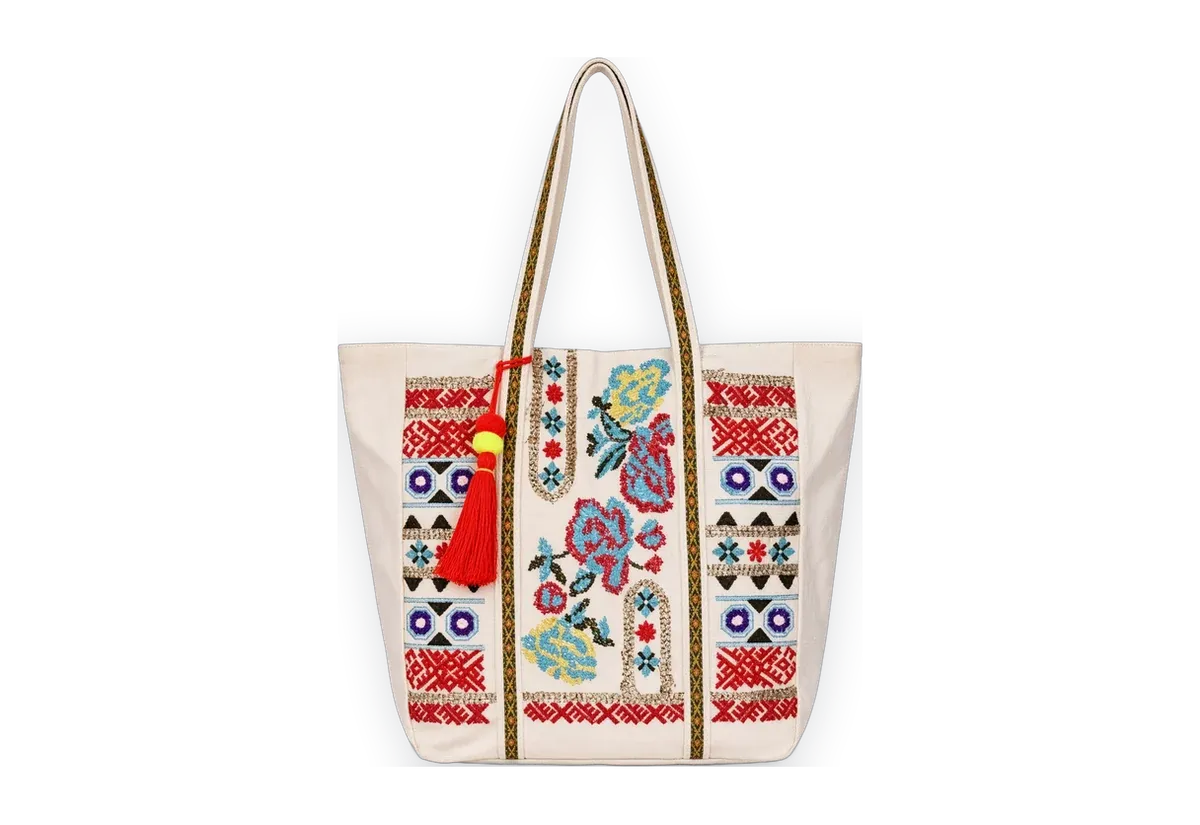
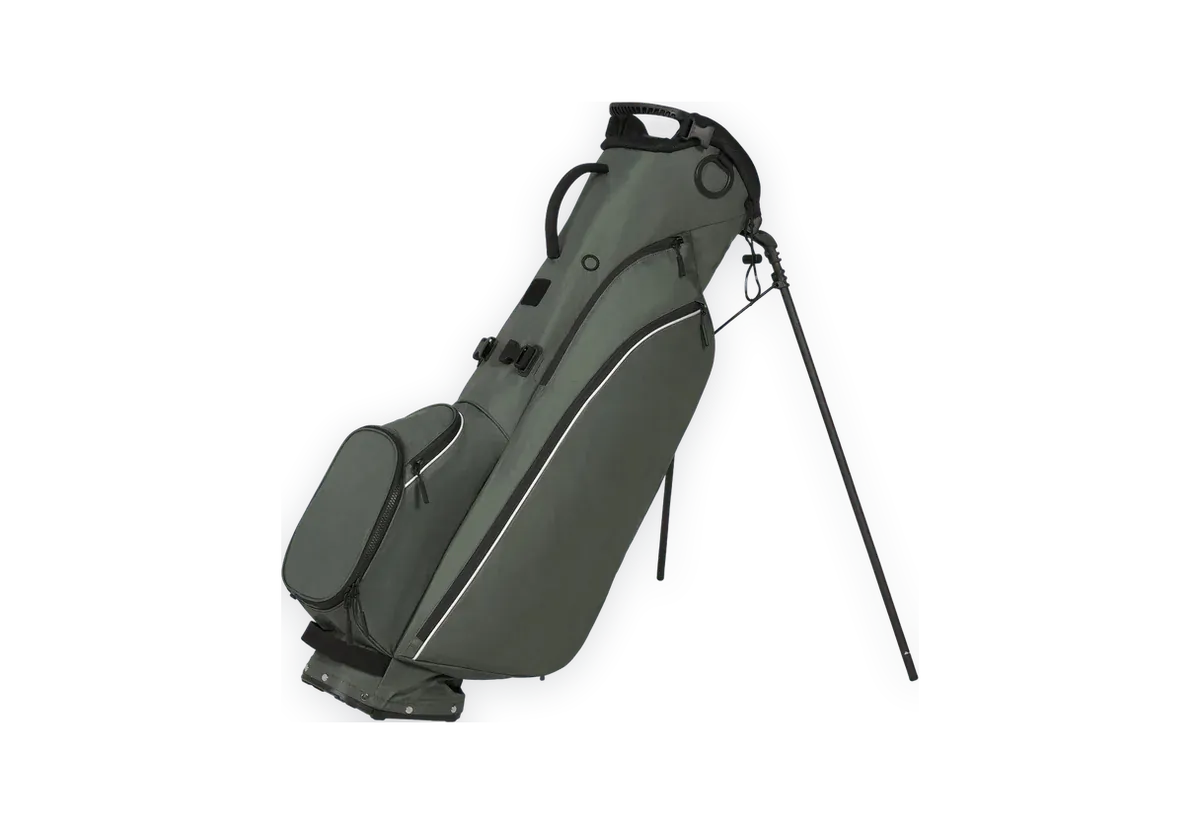
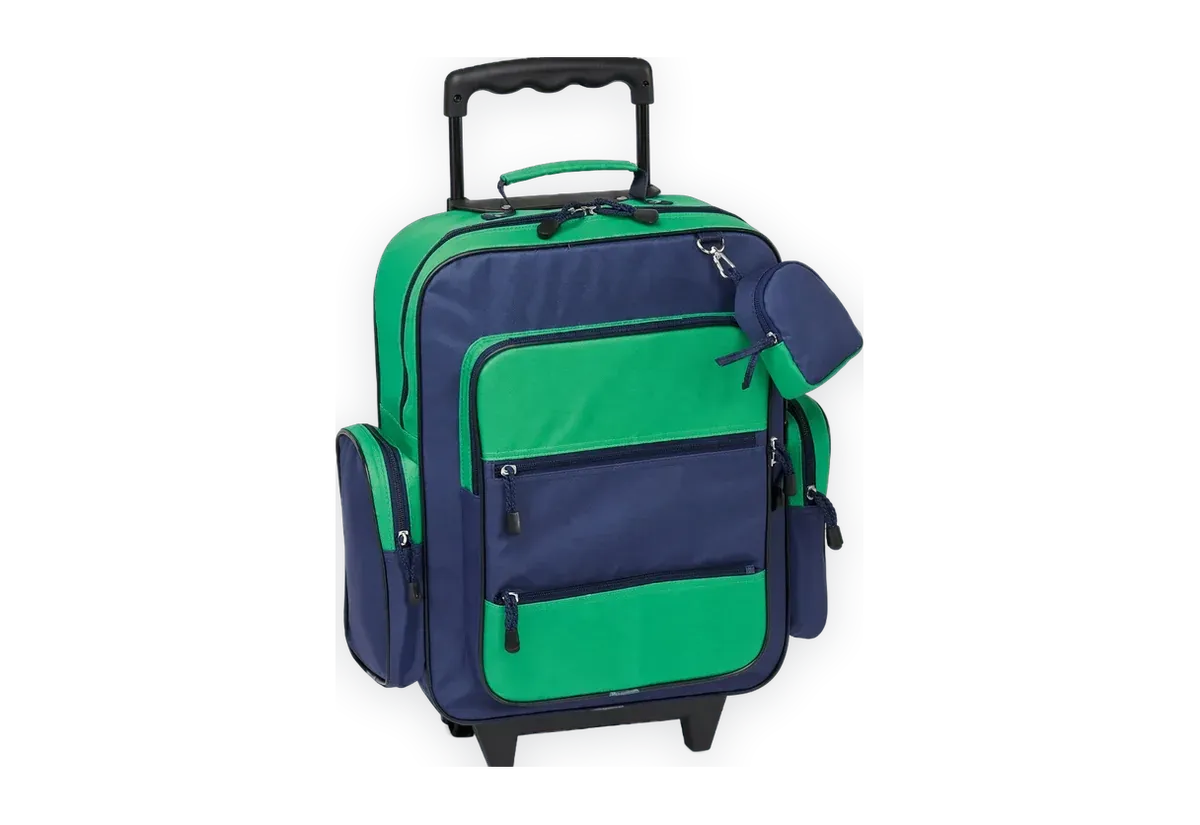
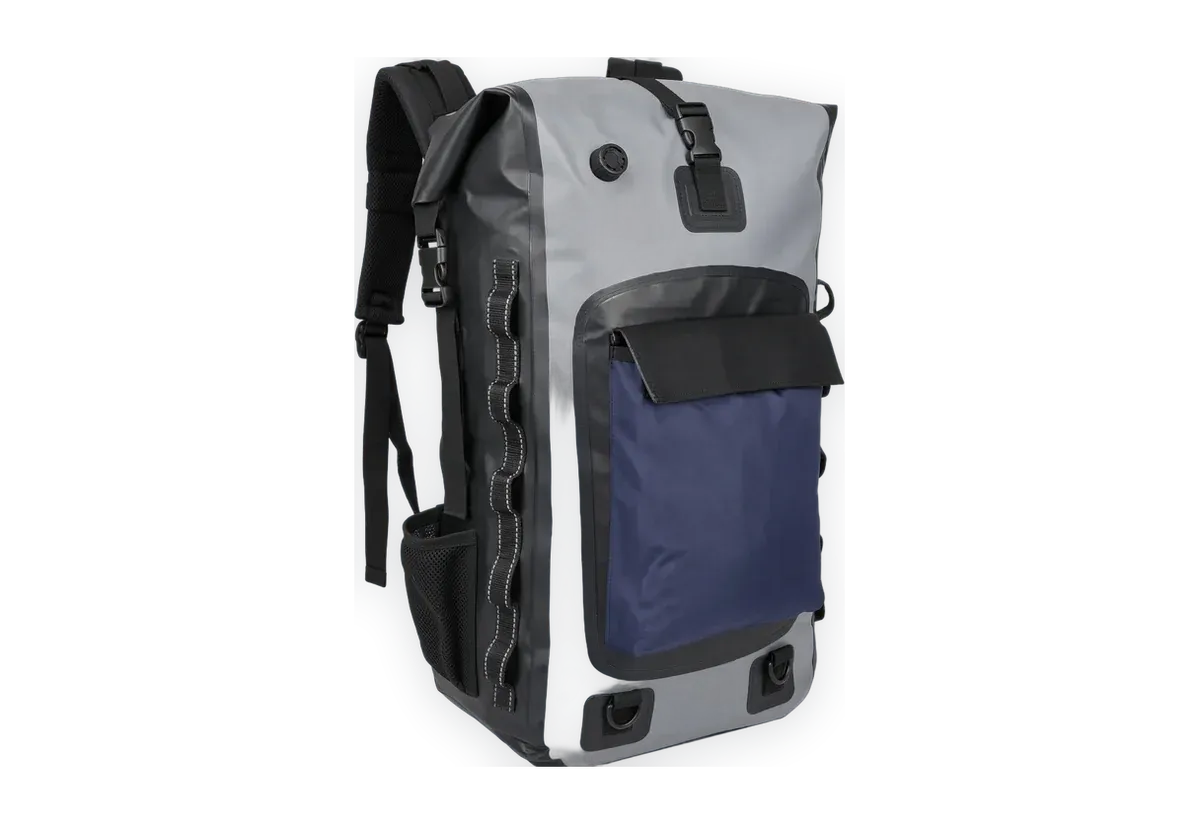
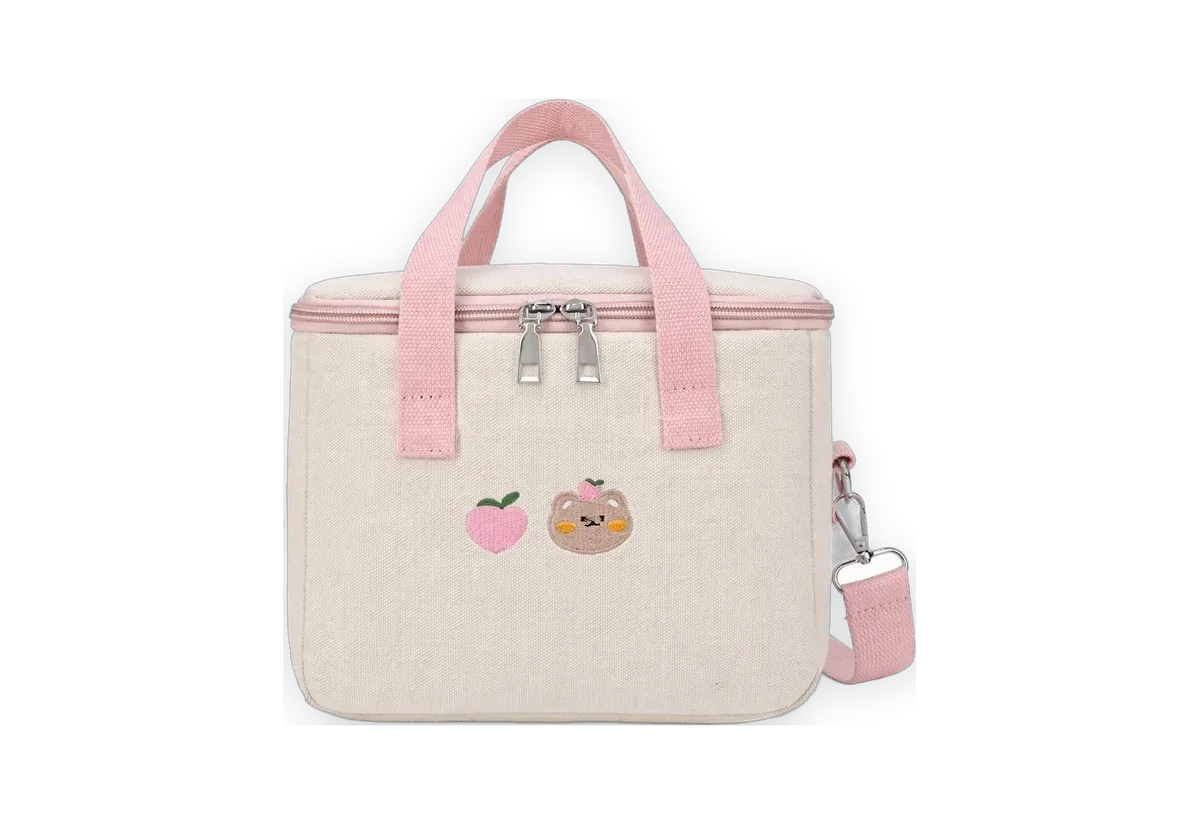
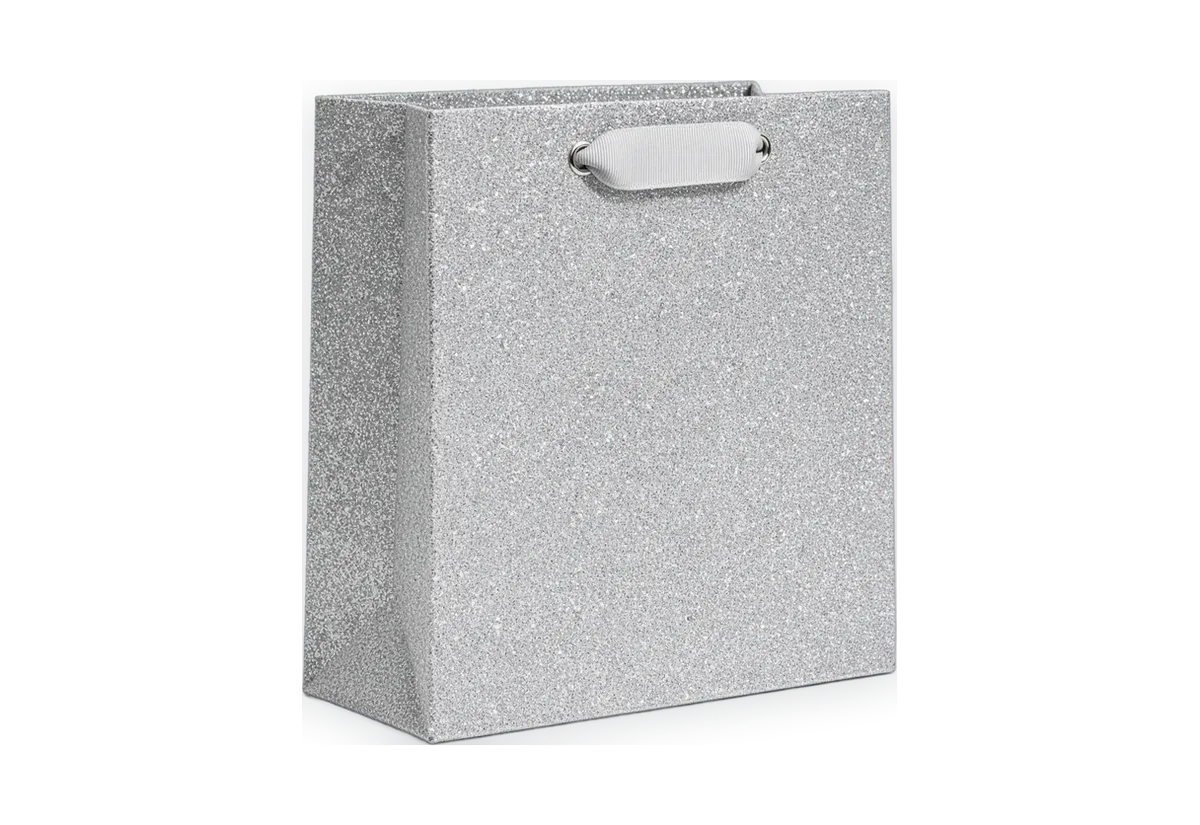
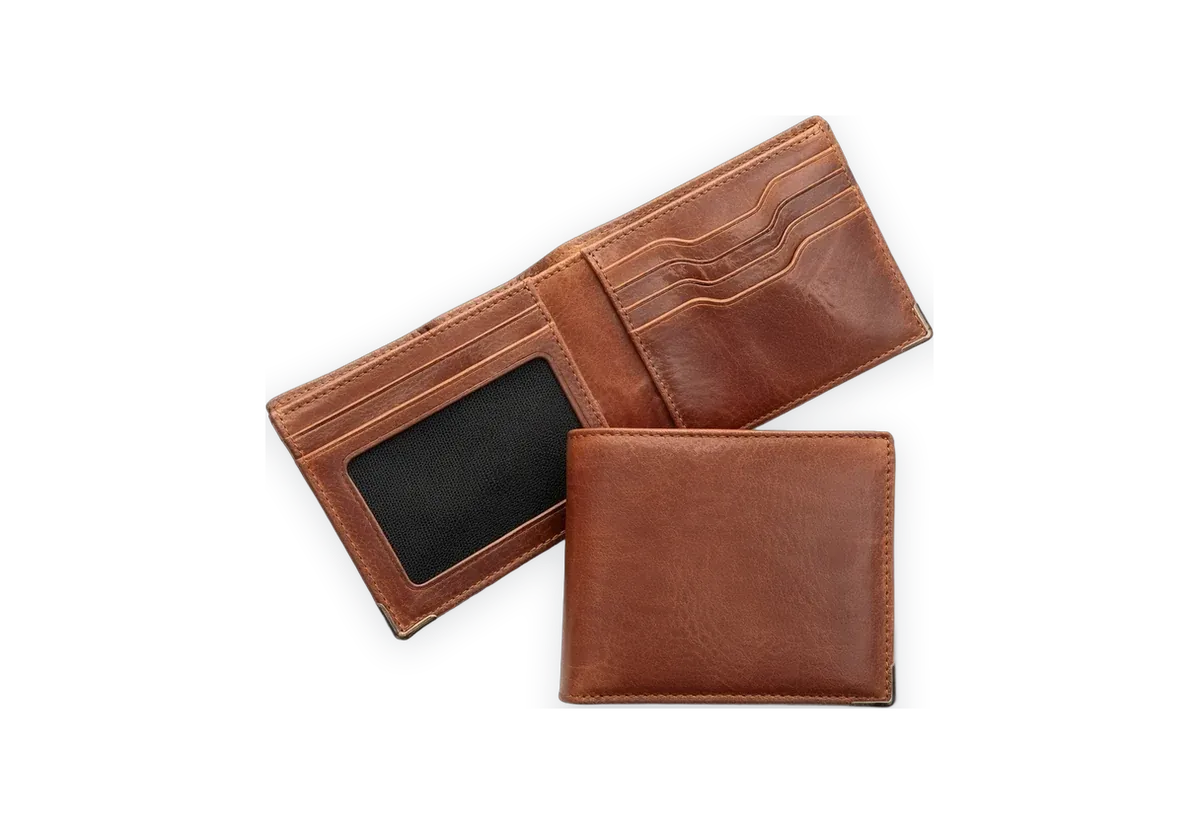
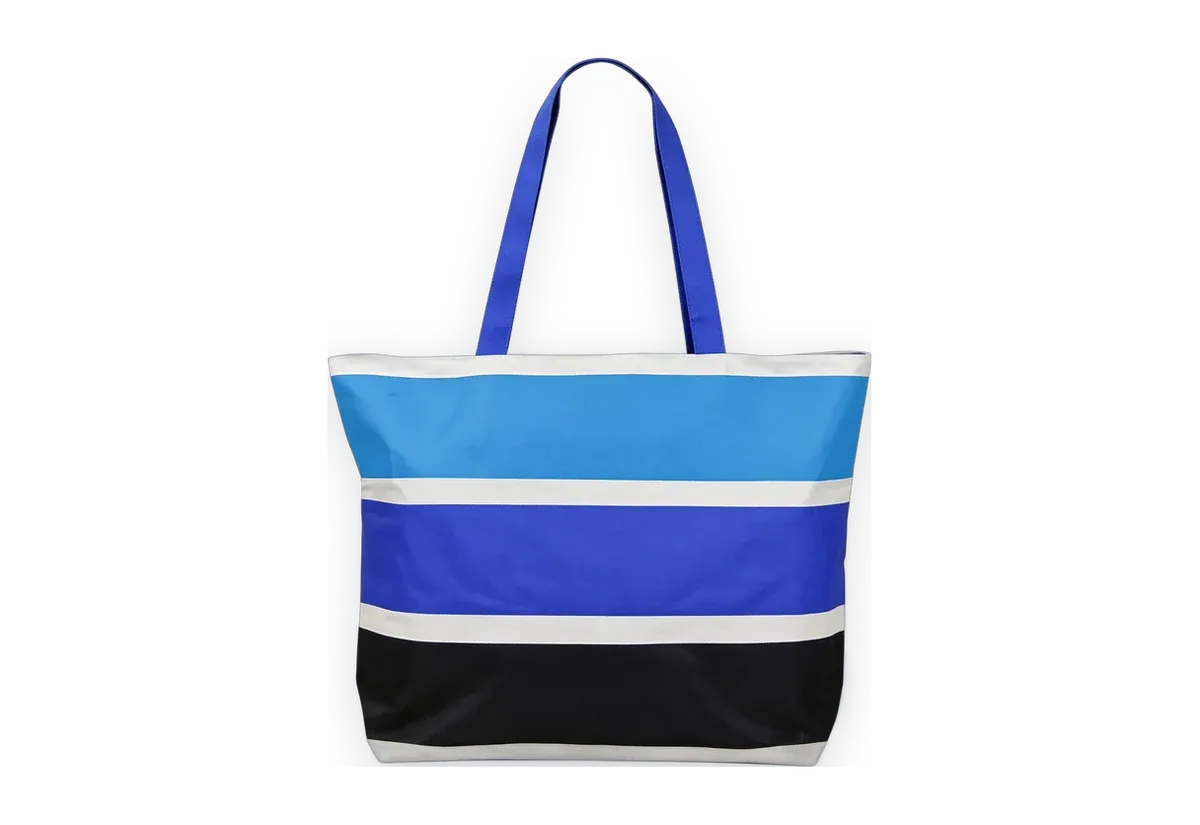
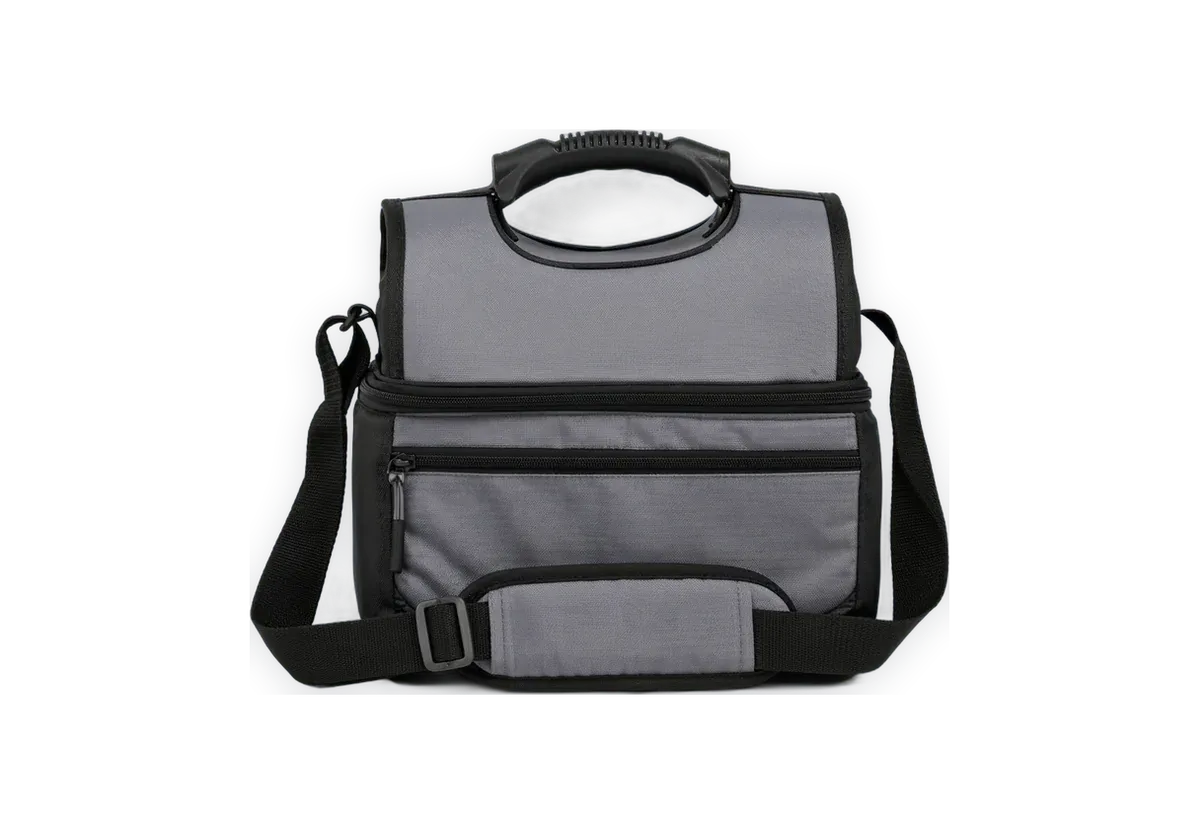
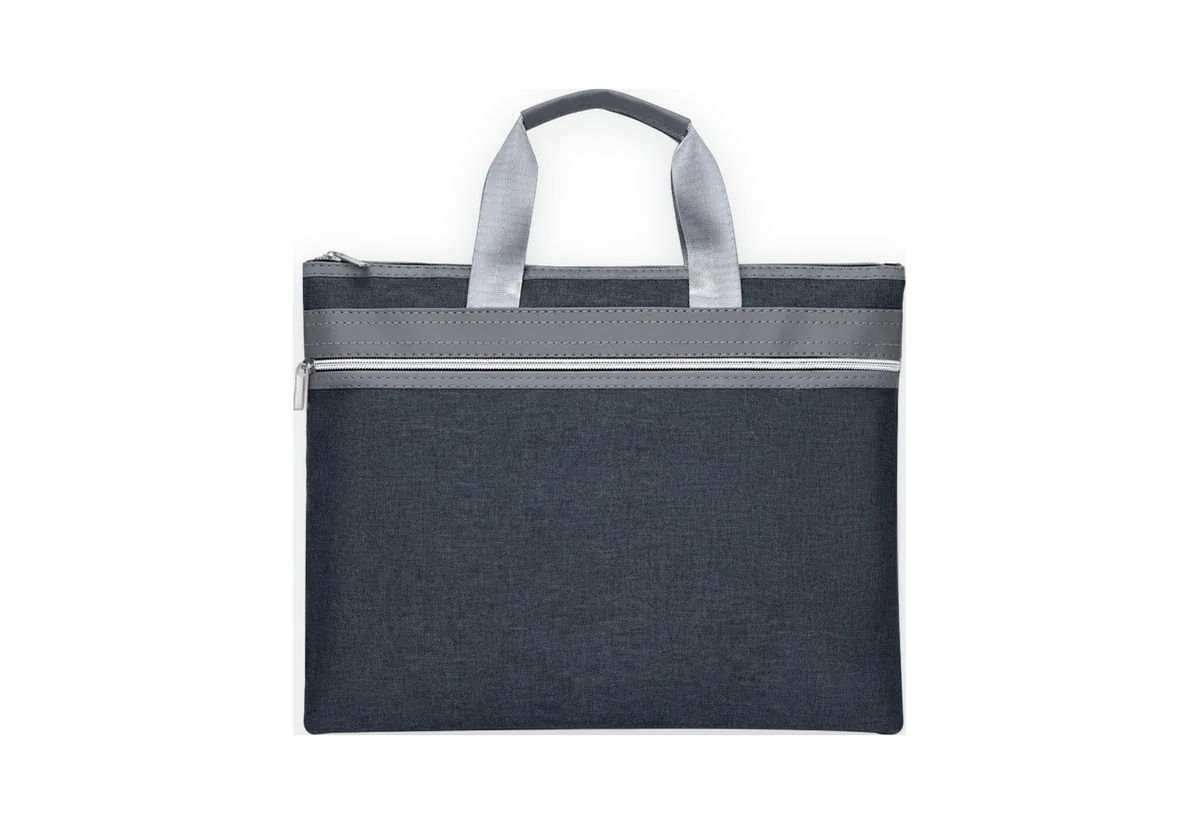
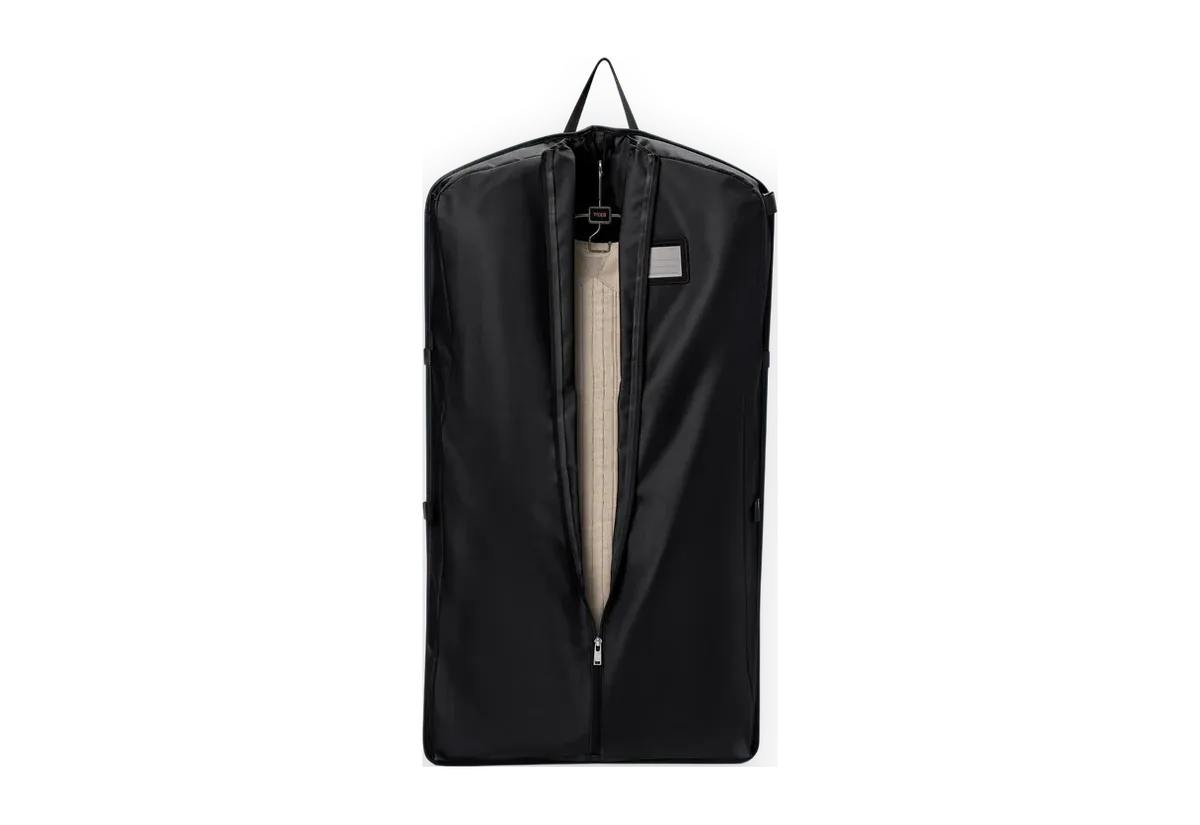
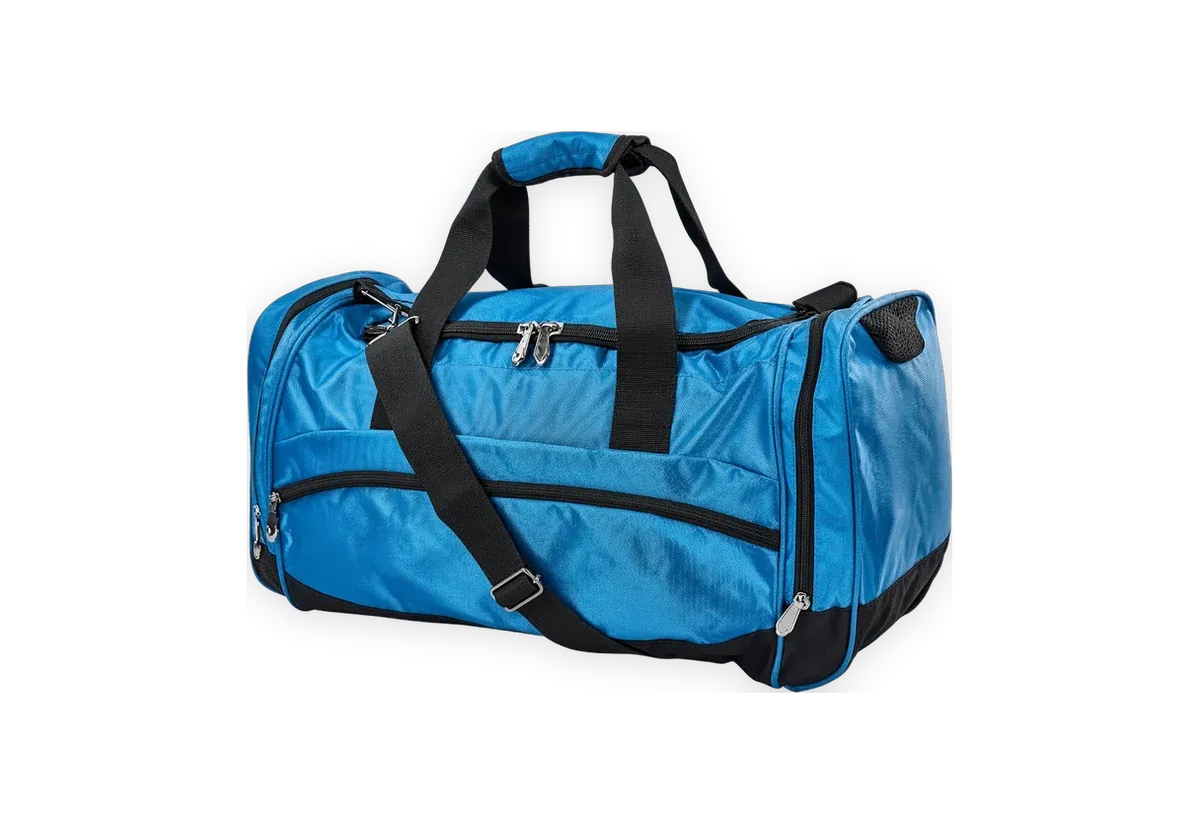

A lineup of custom tote, backpack, duffle and cosmetic bags made by LeelineBags, with leather swatches in the foreground
4.9 · 300+ reviews

Custom Bags Manufacturer 99.5% Sample-Accurate Bulk, Sparing You the Rework

We are the factory, not a trading company in between. Orders run through in-house engineers, an English-speaking project manager, and documented QC at each stage — first sketch to the pallet on the dock.

  • <0.5%defects
  • 6–8 wklead time
  • 500Kunits / month
  • 2015founded

Buyer segments

Built for Eight Kinds of Buyer

Each buys on a different calendar — a seasonal drop, a rollout date, a fundraiser, a restock trigger.

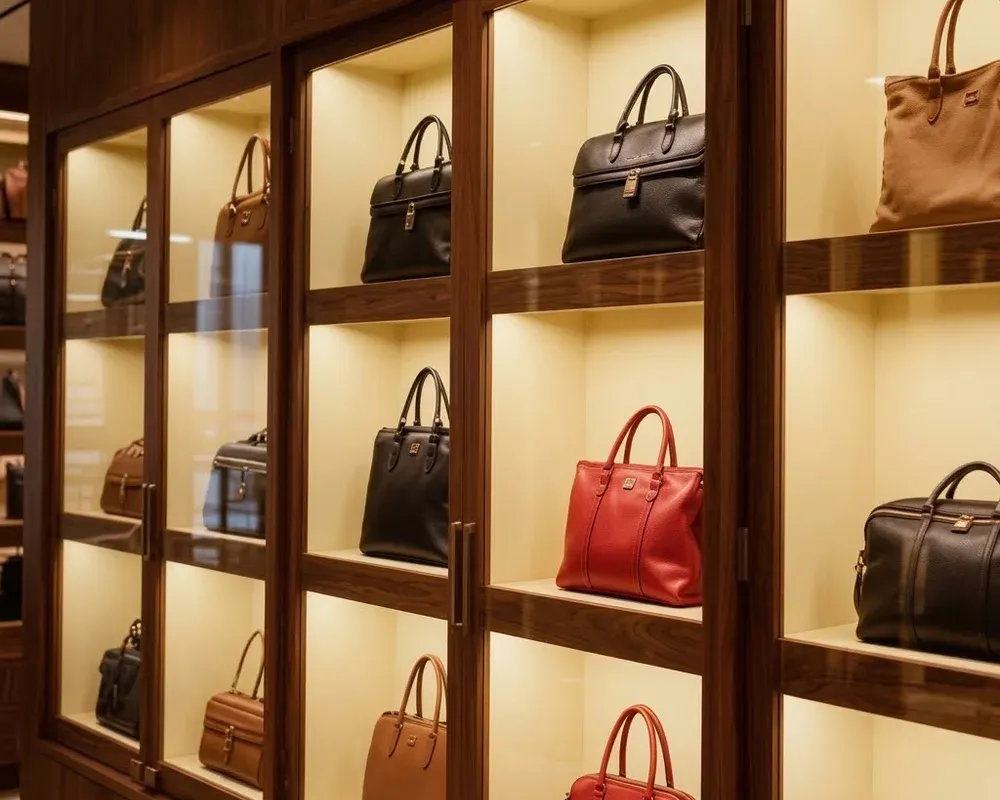
Custom fashion brand bags

Run on a seasonal cycle: the bag is approved on a sample months before it goes on sale, and the season after has to match the one before.

The buyer is not the end user. Bags are handed to staff, clients, or delegates, usually all in the same room — so a unit that differs from the rest is visible to the people receiving it.

Hold no stock. Orders go out in short runs as listings sell, and each unit leaves here ready to be posted to a customer rather than palletised to a warehouse.

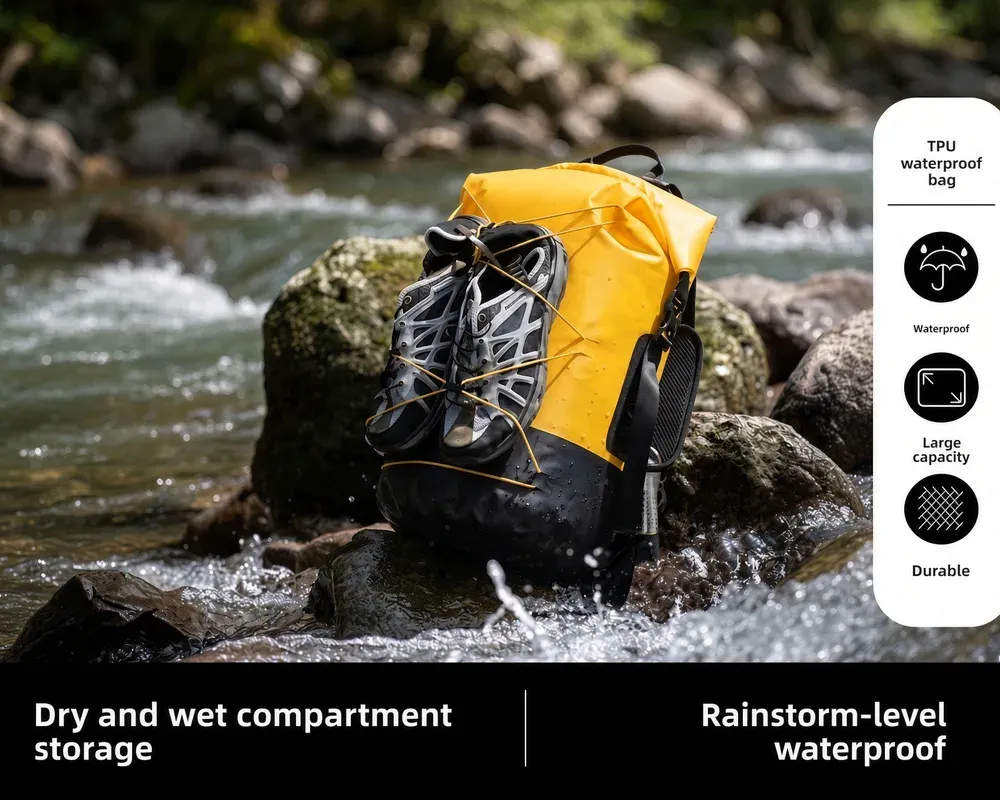
Arrive with a number to hit — a load rating, a water column, hours of exposure. The bag is built and tested against that number, because a field failure comes back as a return.

Buy through procurement rather than a purchase: approved supplier lists, purchase orders, budget lines fixed a year ahead. The bag clears the process before it clears the door.

Order small and repeat, in quantities sized to one studio rather than a chain — the bag is member-facing and turns over with the intake seasons.

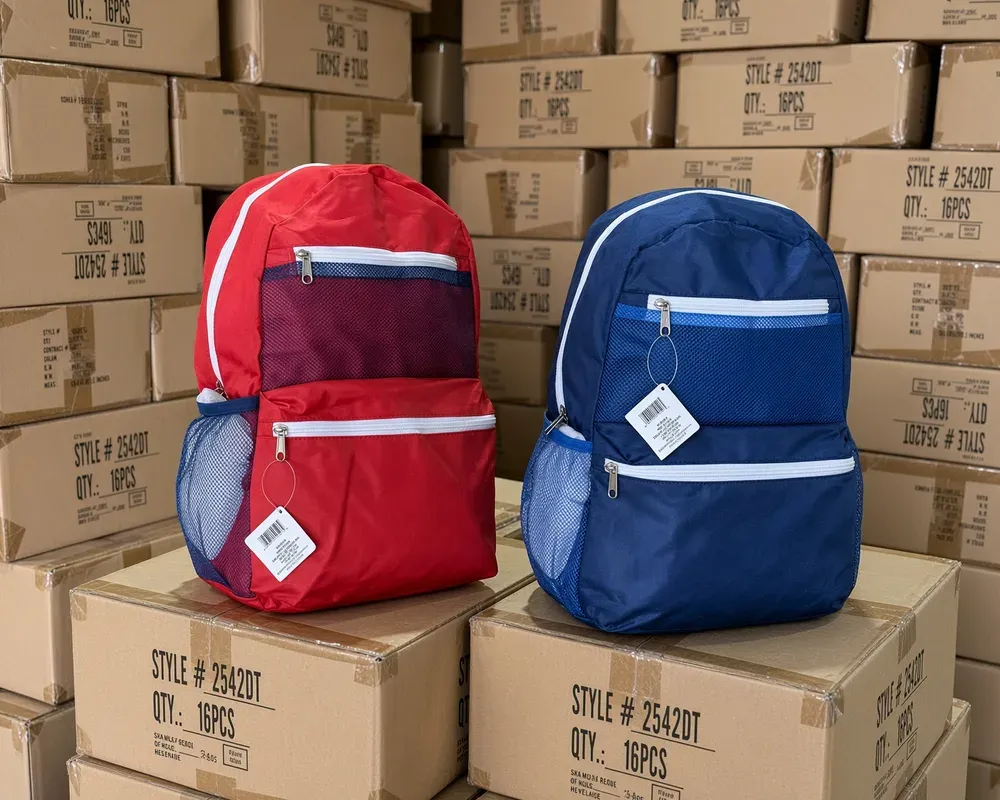
Carry the risk on unsold stock, so orders are sized to the shelf rather than the warehouse, and the reorder follows sell-through instead of a plan.

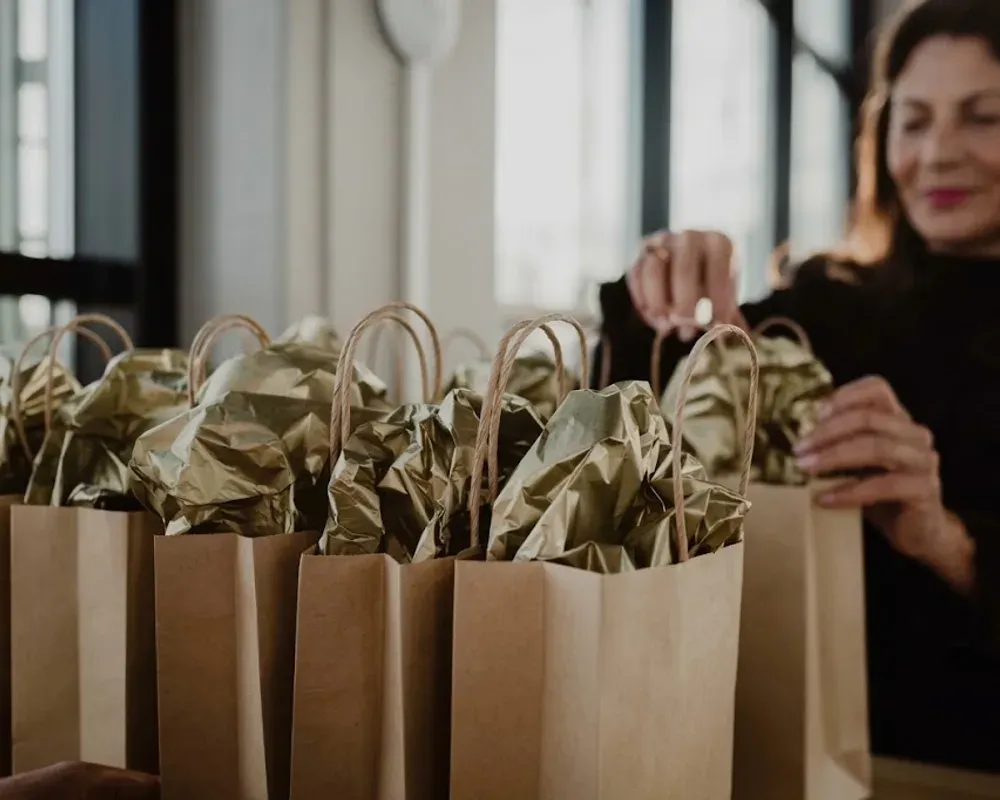
The bag stands for the cause — thank-you, awareness, or event kit — and it is packed by volunteers against a fundraising deadline set months earlier.

Built in-house

What a Custom Bag Manufacturer Should Own Outright

Four things separate a factory that gets reordered from one that gets replaced. Here is how the four are built into an order.

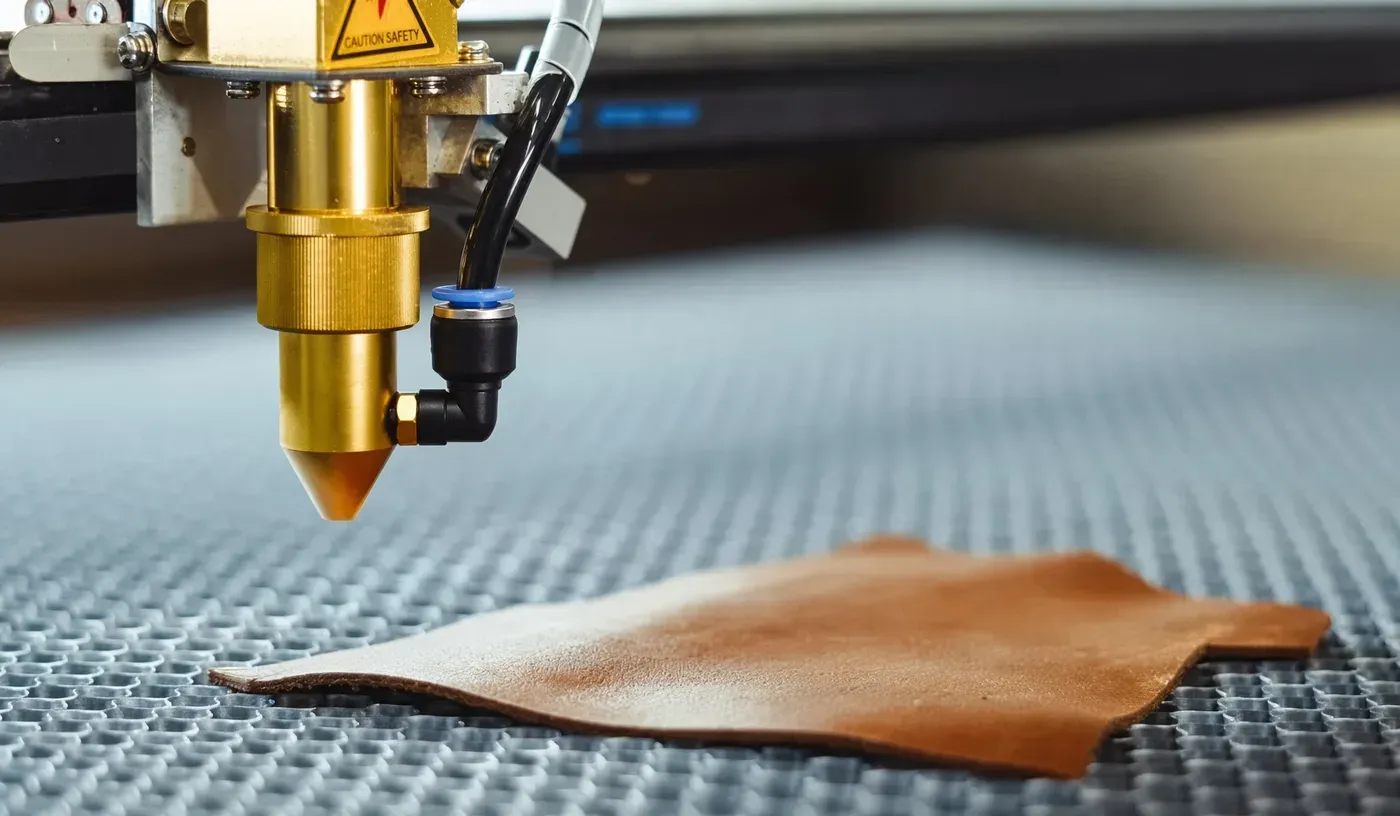
A CNC cutting head mid-run over a leather panel on the LeelineBags production floor
01

Core manufacturing technology

Cutting, stitching, and packing share one 50,000 m² floor — precision is not a promise made at the end of a run, it is set on the machines that start it.

CNC cutting
Hand-cut panels drift, so bag 200 misses bag 1. Machine nesting holds all of them to one spec, and wastes less fabric.
Automated stitching
A seam that slackens mid-run leaves bags looking unlike each other. One tension setting, so bag 400 stitches like bag 1.
In-house tooling on file
Reorders come back subtly different when the tooling was lost. Cutting dies and emboss plates are archived against the SKU.
Pattern engineering
A spec can read fine and still yield a bag that will not sew. The tech pack is graded into CAD before anything is cut.
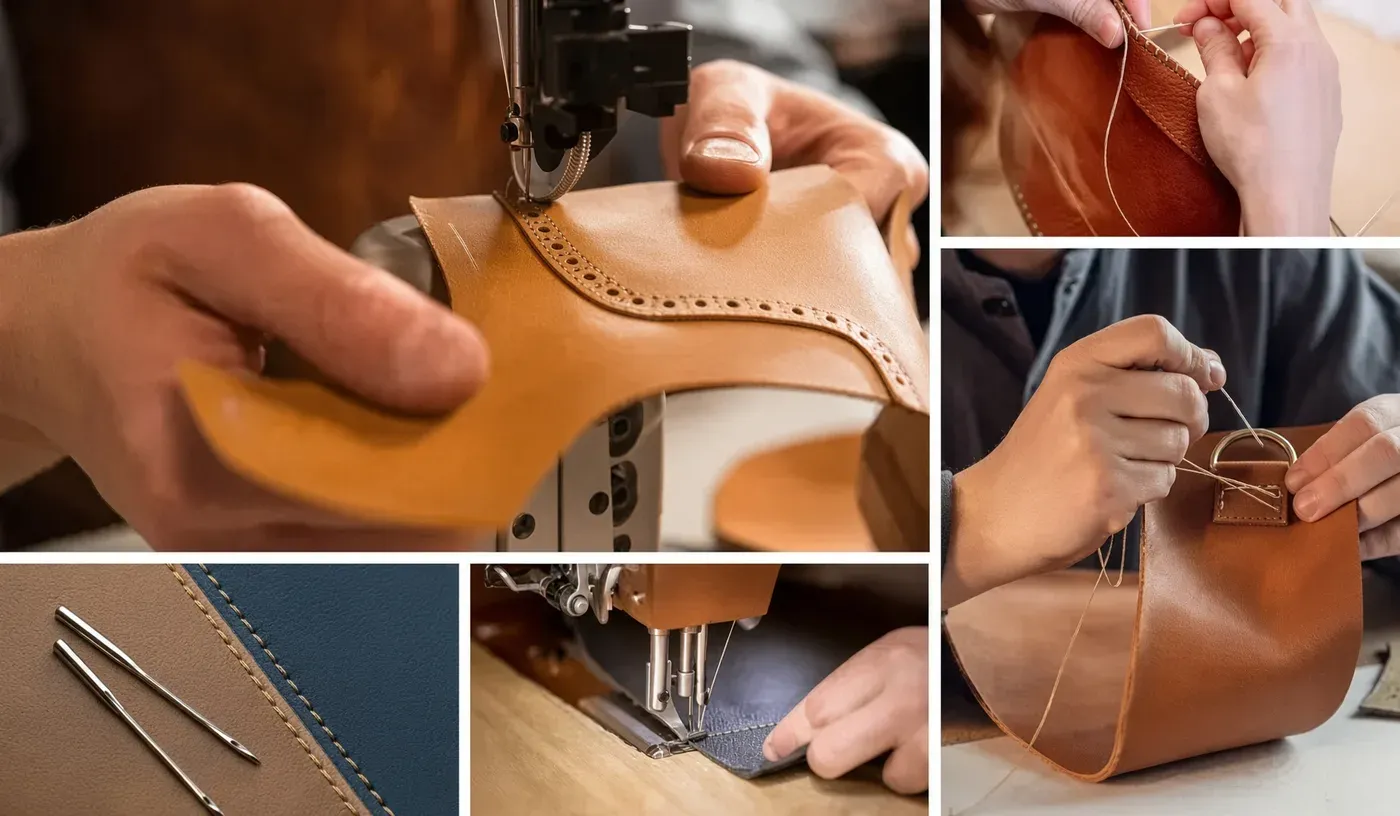
Stitching, riveting, and hand-finished seams on leather bags during quality control
02

Quality and stitching

Seam quality is where a bag is won or lost. Measured, not asserted.

Double vs single stitching
The handle is the first thing to fail on a bag. Double-stitched seams test 20% stronger than single, and wear far better.
High-strength thread
Cheaper thread lets go at the load-bearing points first. This is rated 10% above the industry standard, so handles hold up to daily use.
Stricter than the norm
An inspection that passes a bad batch is worse than none. Checks run at every stage of production, and the thread and seam tolerances sit above the industry norm.
10–20% final inspection
Defects your customer finds cost far more than defects found here. Stations are checked as the run moves, then 10–20% of the batch is pulled at final inspection.
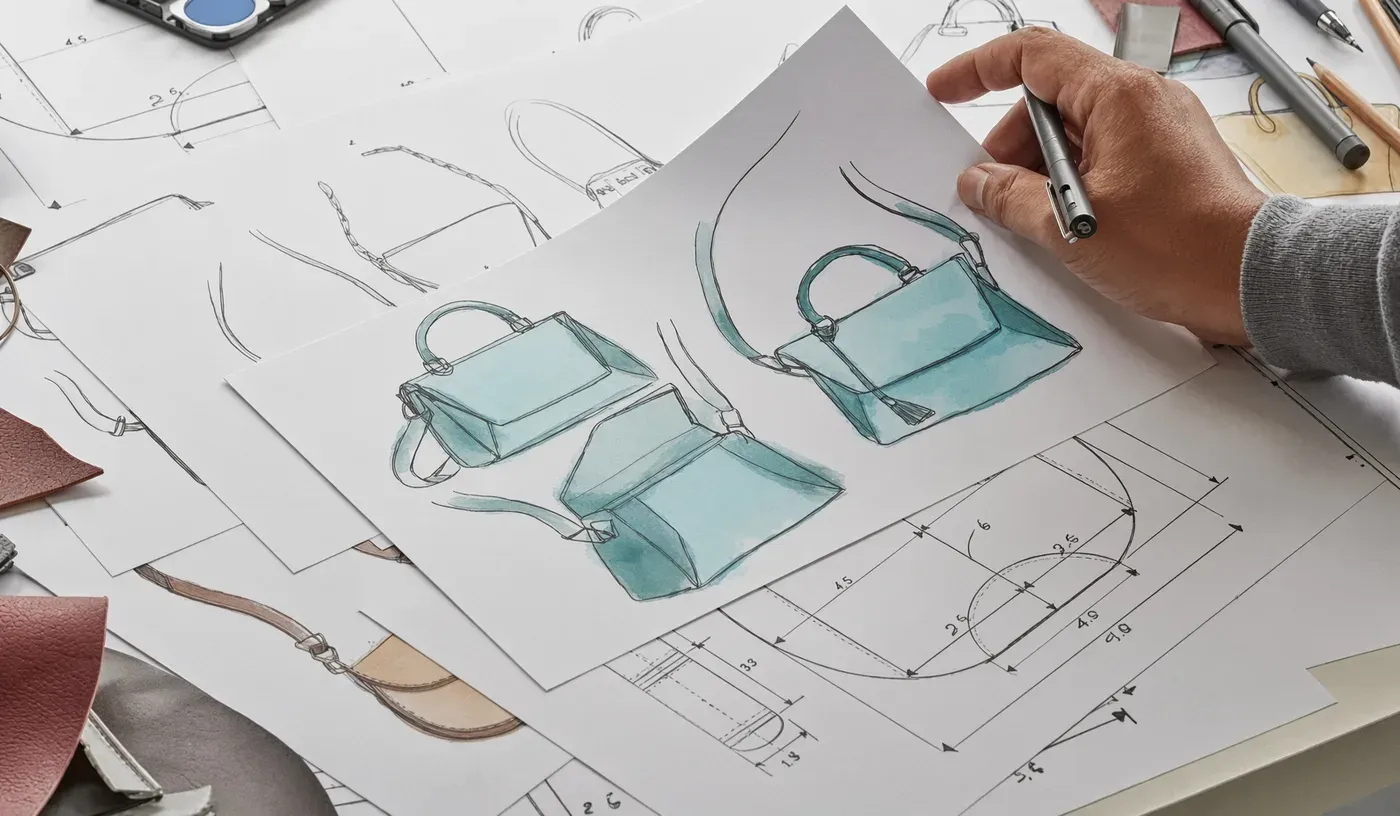
Hand-drawn bag concepts with dimensioned technical drawings spread across a design desk
03

Research, design, and functionality

The R&D budget is measured in output, not headcount: materials heading toward 30% recycled and bio-based, and charging built into bags buyers already carry.

10% of revenue into R&D
A supplier that never develops cannot fix a bag that is not working. A fixed share of revenue goes back into new materials, hardware, and tooling.
Sustainable by default
A sustainability claim you cannot evidence is a liability on the label. The roadmap has recycled and bio-based plastics reaching 30% of all materials within two years — each recycled lot traceable under GRS.
Functional design
A bag can be well made and still annoy the person carrying it. Charging and device storage follow how buyers actually carry a bag.
Reverse-engineered to spec
An idea is worthless until it is cuttable. A sketch, a competitor bag, or a reference photo gets graded into a dimensioned CAD pattern in-house.
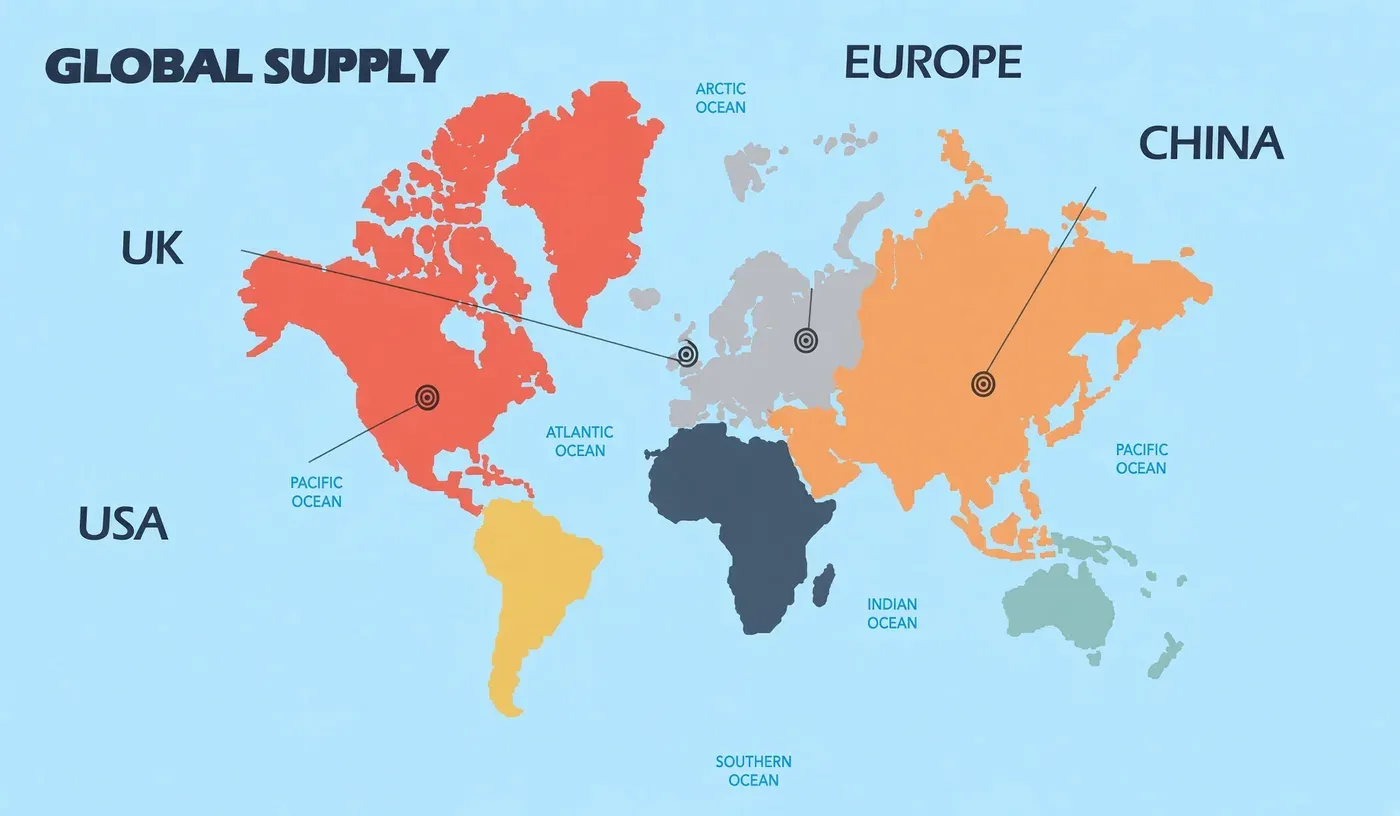
World map showing LeelineBags supply routes linking China to the UK, Europe, and the USA
04

Production and supply chain

Sourcing, production, and delivery sit in one place — which is how dates hold and unit costs come down.

100+ vetted suppliers
A material that is right on the sample and wrong on the reorder breaks the line. All of them are audited for consistency.
20 production lines
A run that outgrows one line has somewhere to go without leaving the building — which is what keeps a tight deadline from becoming a late pallet.
Up to 15% cost saving
Every middleman adds margin and adds no value. Bulk pricing comes straight off the factory floor, holding up to 15% back.
98% on-time delivery
A late pallet is a missed launch. DDP, overseas warehousing, and dropshipping run from one dock, with 98% landing on the committed date.

How it works

Sketch to Pallet, On a Clock

No hand-offs to a faceless rep, and no guessing when a bag order will land. Here is the real timeline — with the deliverable and the checkpoint at each stage.

  1. Day 0

    Send the brief

    • Anything works to start: a sketch, a photo, a tech pack, or a half-formed idea
    • Engineering drawings are the factory’s job
    • Back within one business day: a named English-speaking PM, not a shared inbox
  2. Day 1–3

    Spec & line-item quote

    • The brief becomes a buildable spec — pattern, materials, hardware, construction
    • Priced line by line, with no fees appearing later
    • Minimum order, tooling, unit cost, and timeline, all in writing
  3. Day 4–10

    Sample in hand

    • A physical pre-production sample in the real materials and finish
    • Revised until the construction is right
    • On approval: the signed-off sample. Nothing goes unapproved
  4. Week 2–8

    Production & documented QC

    • Cut and stitched on automated lines
    • Inspected at each station until defects drop below 0.5%
    • Photo and video updates through the run, then the inspection report
  5. Delivery

    DDP, warehousing, or dropship

    • One dock clears export documents
    • DDP shipping, overseas warehousing, and dropshipping
    • Tracking, import paperwork, and pallets landing on the promised date
  6. After

    Same engineer, next run

    • Reorders, tweaks, and material swaps come back to the same engineer
    • So the spec holds from one run to the next
    • Priority capacity reserved, plus a 30-day quality follow-up

Make it yours

Decorate It and Spec It, Down to the Zip Pull

Three decisions shape the bag: the fabric it is built from, how the logo goes on, and the parts that finish it. Pick a direction in any group and it gets specced into the line-item quote.

Fabric

Name the bag and the market, and the spec gets steered to the material that holds up.

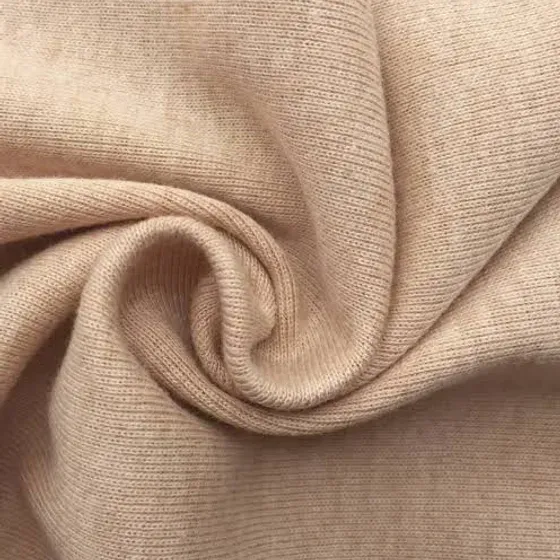
  • Organic cotton swatch — GOTS-eligible, 8–16 oz
    Organic cottonGOTS-eligible, 8–16 oz
  • Recycled polyester swatch — GRS-certified, 600D–1680D
    Recycled polyesterGRS-certified, 600D–1680D
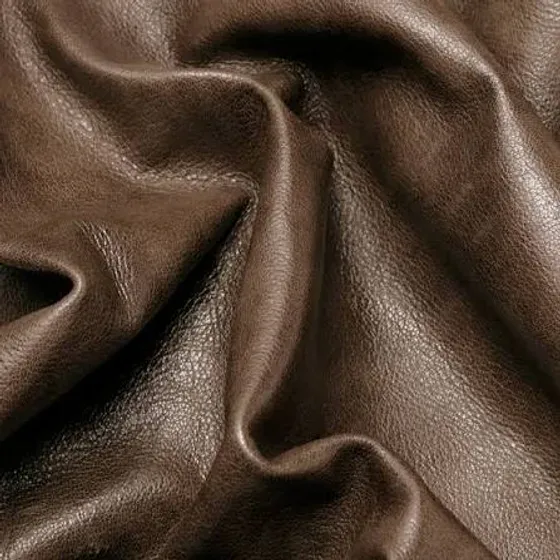
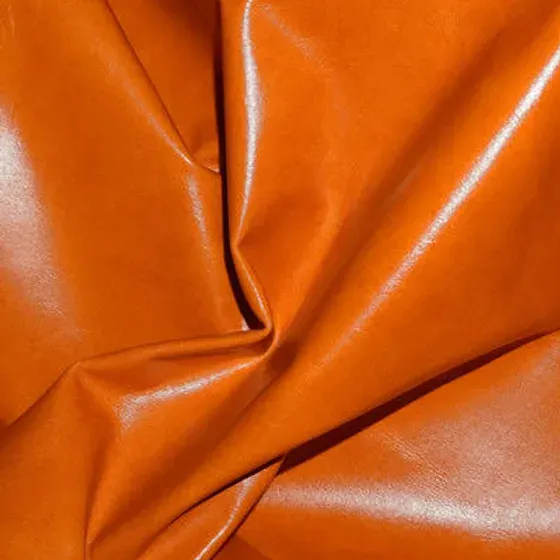
  • Genuine leather swatch — Full-grain & top-grain
    Genuine leatherFull-grain & top-grain
  • Vegan leather swatch — PU & bio-based
    Vegan leatherPU & bio-based
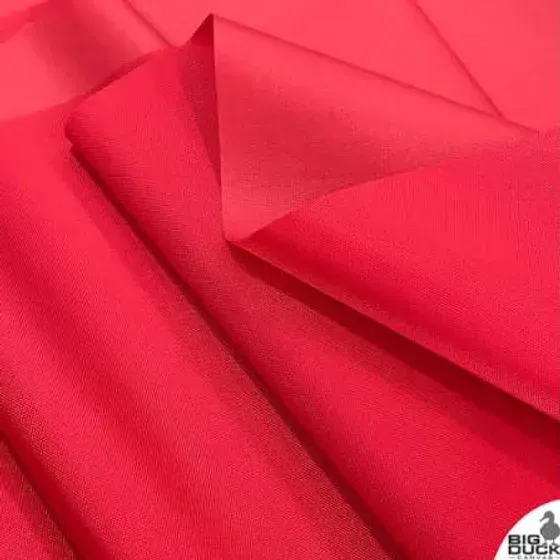
  • Nylon swatch — Ripstop & ballistic 420D+
    NylonRipstop & ballistic 420D+
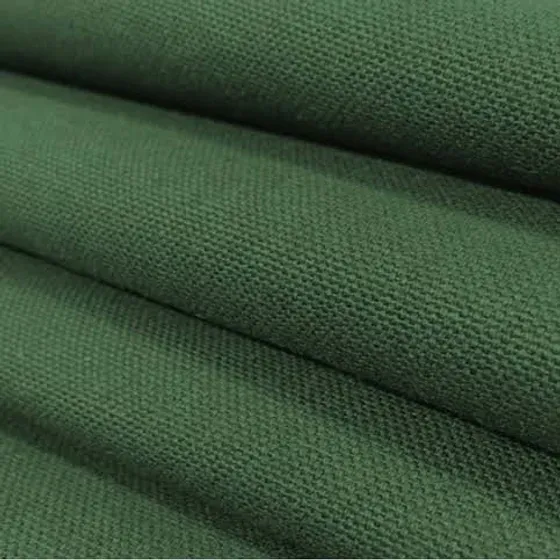
  • Canvas swatch — Cotton & blend, 10–24 oz
    CanvasCotton & blend, 10–24 oz
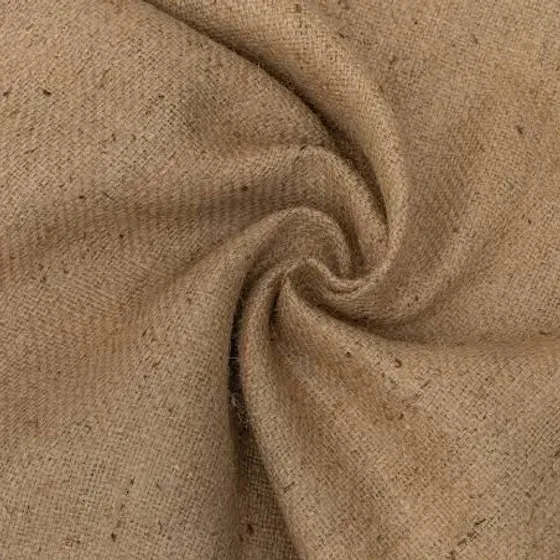
  • Jute swatch — Natural & laminated
    JuteNatural & laminated
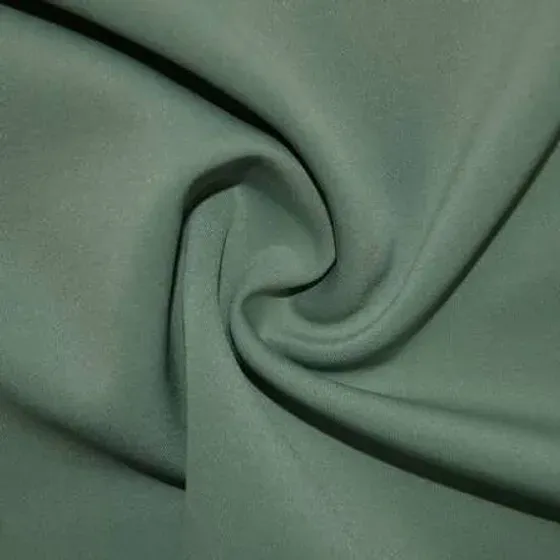
  • Neoprene swatch — SBR & CR, laminated
    NeopreneSBR & CR, laminated

Decoration

How a logo physically gets onto the bag.

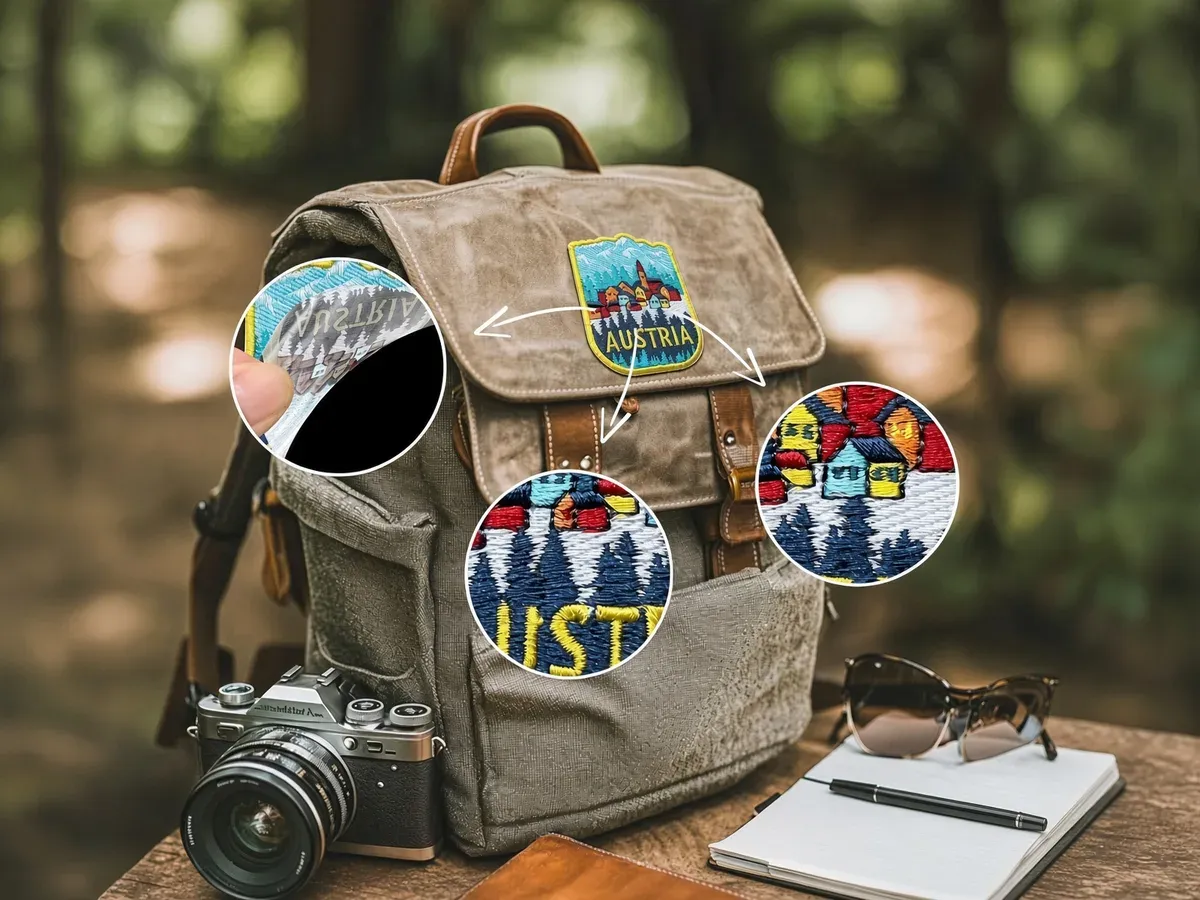
  • Embroidered landscape patch stitched onto a canvas backpack, with a magnified view of the thread detail

    Embroidery

    • Stitched logo with a raised, tactile finish
    • Thread matched to the brand guide
    • Best for: totes, backpacks, corporate
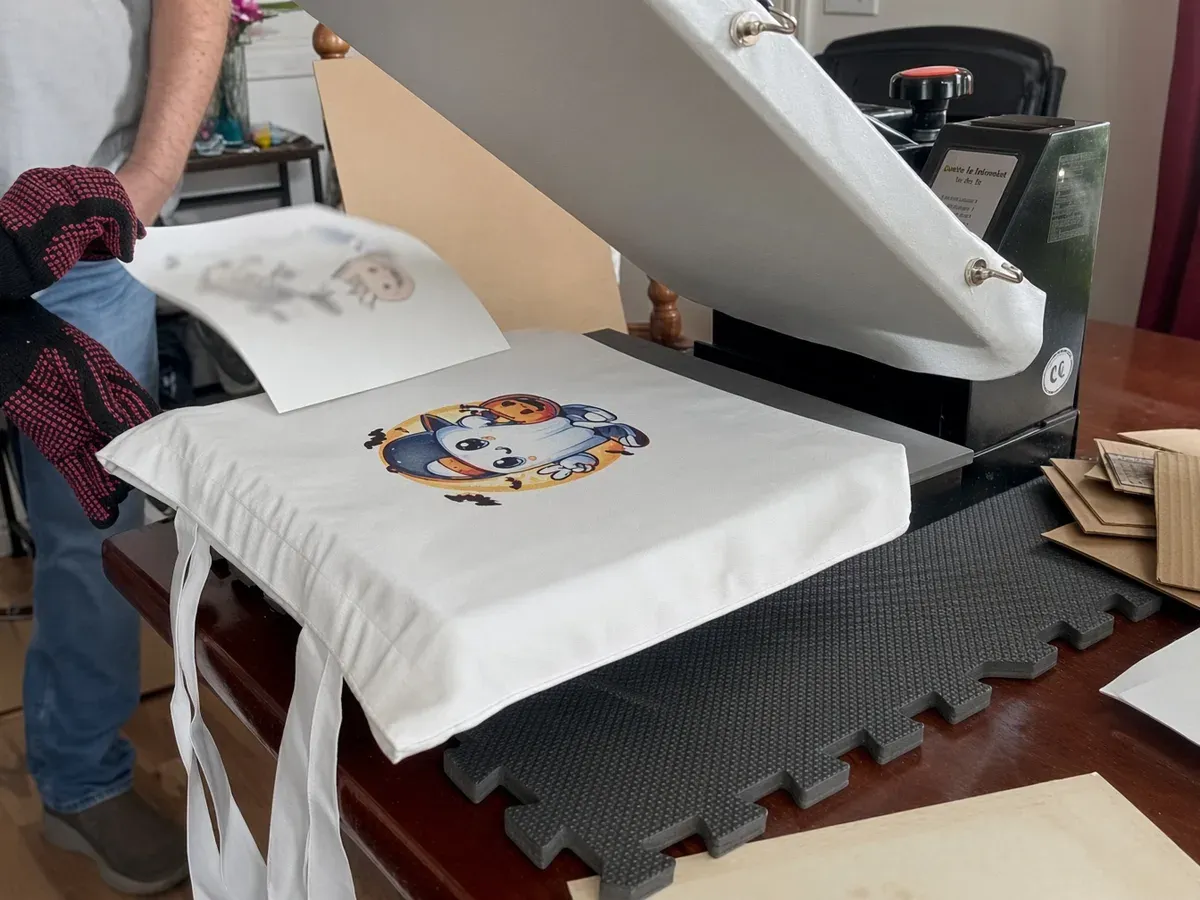
  • A printed tote bag being lifted off a heat press after the transfer is applied

    Heat-transfer print

    • Photographic detail, gradients, multi-colour art
    • Holds fine type and small artwork
    • Best for: complex logos, small runs
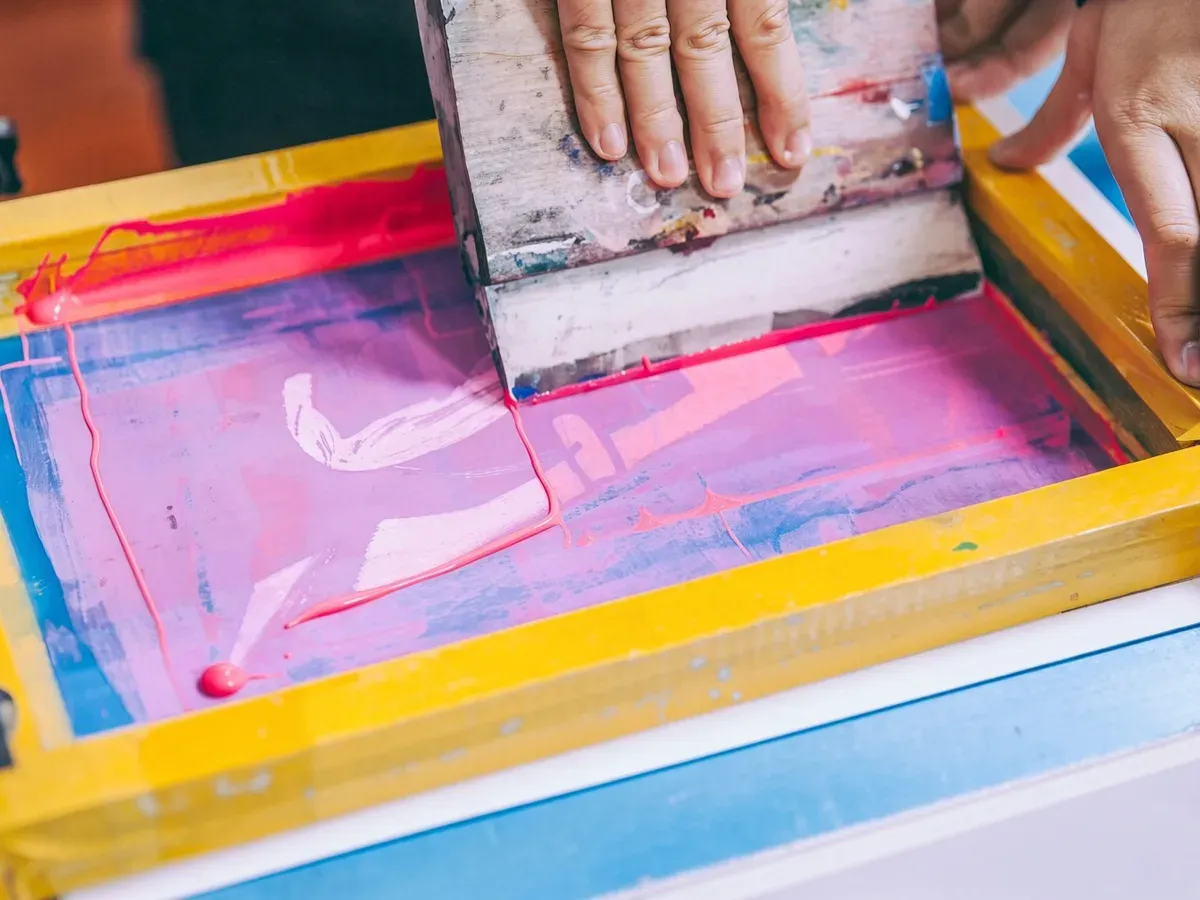
  • Pink ink being pulled across a silkscreen with a squeegee during a print run

    Silkscreen print

    • Heavy-ink laydown, abrasion-resistant
    • Bold marks that survive daily use
    • Best for: canvas, totes, promo lines
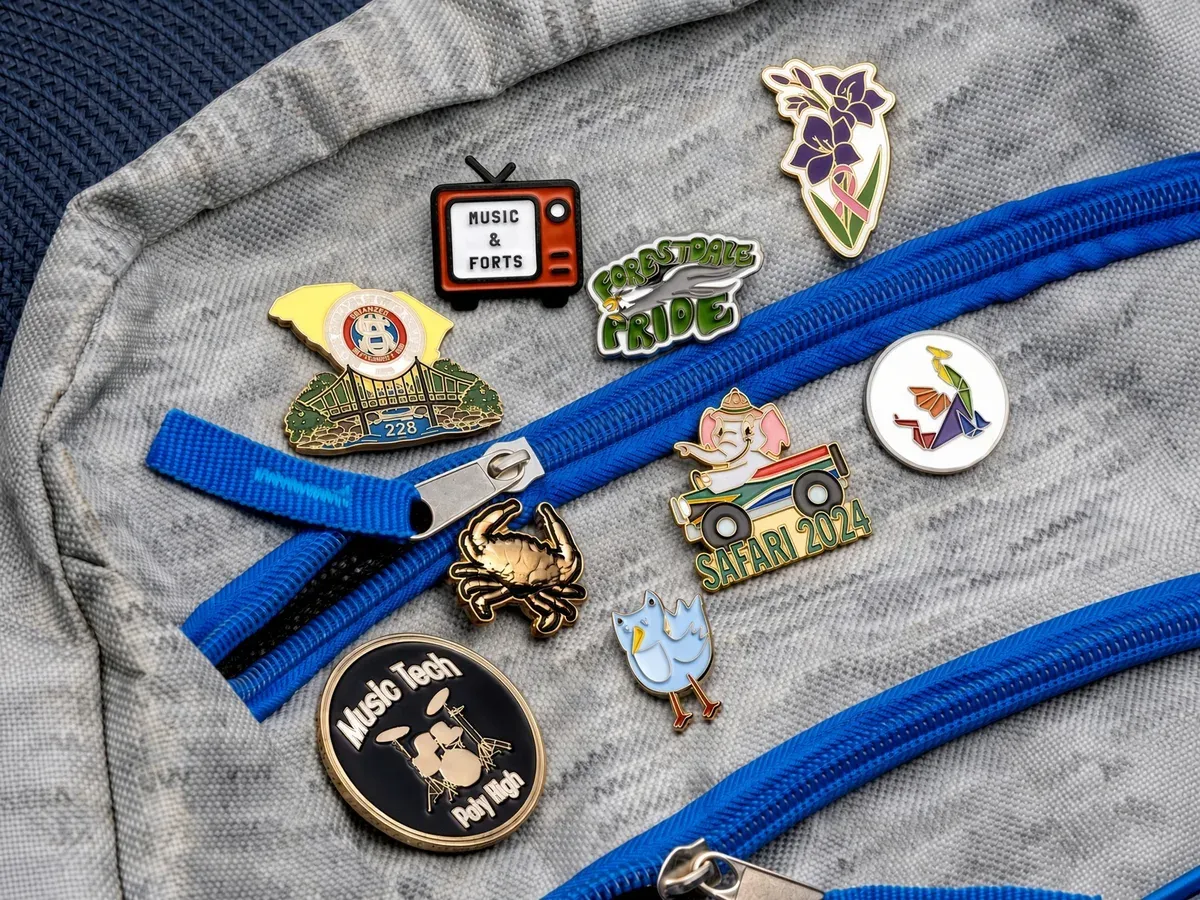
  • A collection of hard enamel pins attached to a nylon backpack

    Metal & enamel badges

    • Attached hard badge for a raised, premium finish
    • Custom shape, enamel fill, and backing
    • Best for: leather, luxury, gifting
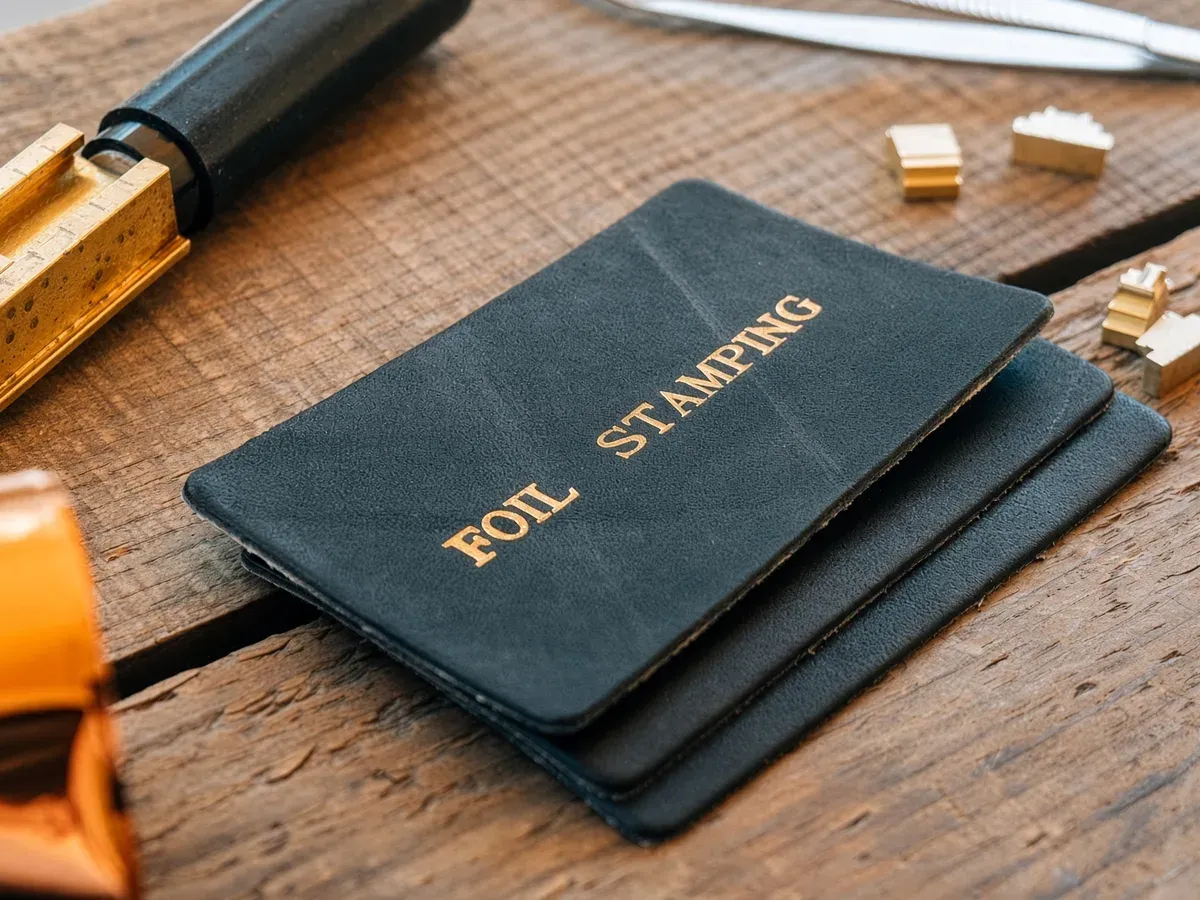
  • Gold foil stamped lettering on stacked leather covers, with brass dies and foil roll alongside

    Debossing & foil

    • Pressed or foiled directly into the material
    • Quiet, premium mark with no added bulk
    • Best for: leather goods, wallets
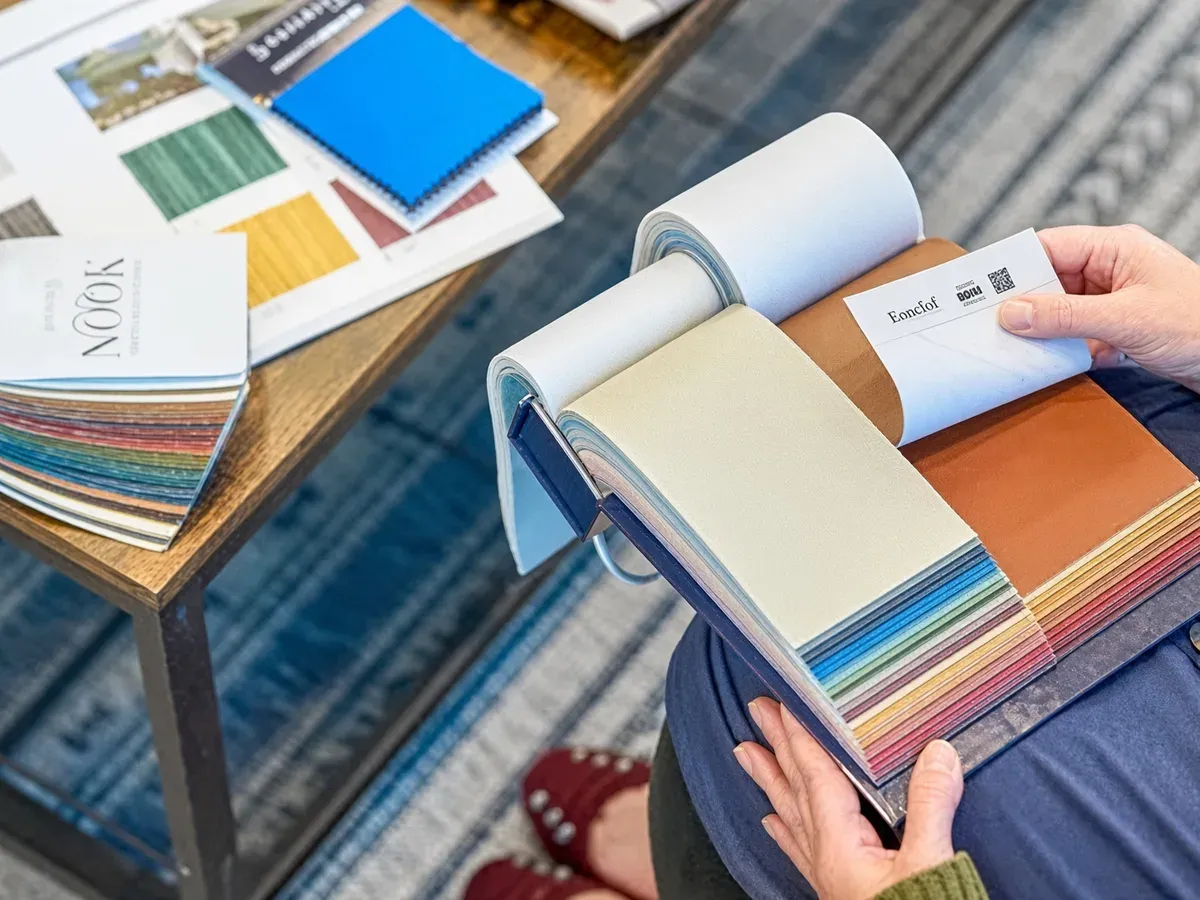
  • A colour swatch book being turned to a colour, with fabric samples spread across a table

    Pantone matching

    • Hardware, thread, webbing, and lining matched to the brand guide
    • Proofed and approved before the run opens
    • Best for: consistency across SKUs

Components

The parts that decide how it feels in hand.

  • Zippers & pullers

    • Nylon, resin, metal, or waterproof zipper tape
    • Custom pullers — leather, cord, or metal, logo included
    • Tape colour matched to the shell or the zip guard
  • Hardware & finishing

    • Plating in light gold, gunmetal, nickel, antique brass, or matte black
    • Buckles, magnetic snaps, D-rings, O-rings, and hooks
    • Rivets, studs, and eyelets at every load-bearing point
  • Straps & webbing

    • Webbing width, colour, and weave to spec
    • Rolled leather, chain, cord, or padded handles
    • Adjustable sliders and removable shoulder straps
  • Labels & hang tags

    • Woven, rubber, or leather main labels — sewn-on or moulded
    • Care and content labels, size tags
    • Swing tags in paper, leather, or metal, with the mark applied to match the main logo
  • Interior & structure

    • Custom-printed lining, or solid-dyed to spec
    • Slip pockets, zip pockets, dividers, padded compartments
    • RFID-blocking pockets and USB pass-through
  • Sizing & packaging

    • Dimensions built to a supplied spec sheet
    • Base feet, reinforced bases, and structured panels
    • Dust bags, polybags, and retail-ready presentation

Credentials, explained

What Each Certificate Actually Certifies

A badge on a page proves nothing on its own. Here is what each credential means for a custom bag order, and which body actually audits it.

ISO 9001:2015ISO 9001:2015 certification mark

Quality management system

The entire process — sourcing, cutting, stitching, final inspection — is audited against a documented quality system, not run on habit.

Third-party recertification audit, most recently passed without major findings.

BSCIBSCI certification mark

Social compliance audit

Labour conditions, working hours, and floor safety are inspected to the amfori BSCI code, so a brand is not exposed to a supply-chain scandal.

Independent audit covering worker welfare and facility safety.

OEKO-TEX 100OEKO-TEX 100 certification mark

Fabric safety testing

The textile side of a bag — canvas, recycled polyester, webbing, thread — is tested against OEKO-TEX limits on substances harmful to health: azo dyes, formaldehyde, heavy metals, pesticide residue. It is the credential a buyer asks for when a bag sits against skin all day or carries food.

Test reports held per material, issued to the article rather than to the factory.

GRSGRS certification mark

Recycled content certification

Verifies the recycled content in a material is real and traceable from the recycler through to the finished bag, and that the recycled share clears a minimum threshold. It is what allows a bag to carry a "made with recycled materials" claim at all.

Chain of custody tracked through the supply chain, held against the recycled fabric lines.

On the floor

Scale That Feels Personal.

A 50,000 m² workshop, five hundred people on the floor, and over a hundred vetted suppliers behind them. It shows on the sample table: 99.5% approved first pass.

Trusted by

Brands That Ship Through This Floor

Two-person labels launching a first tote and retail groups restocking twice a year both come back for the next order.

  • Bric's — LeelineBags customer
  • Briggs & Riley — LeelineBags customer
  • Carrefour — LeelineBags customer
  • CIMA Leather Goods — LeelineBags customer
  • Hung Phat — LeelineBags customer
  • M. Sampaio — LeelineBags customer
  • Ortlieb — LeelineBags customer
  • Senrong — LeelineBags customer

Why LeelineBags

The Factory That Acts Like a Partner

The same eight measures, priced against the three factories a buyer usually weighs this order against. Every figure in our column is one the rest of this page already proves.

The honest comparison

How a partner factory stacks up against the other options on your shortlist. Competitor columns describe the category, not a named supplier.

  • Minimum order

    LeelineBags100 pcs

    Low-cost
    5,000+ pcs
    Luxury
    500+ pcs
    Eco-only
    1,000+ pcs
  • Sample lead time

    LeelineBags7 days

    Low-cost
    3–4 weeks
    Luxury
    6–8 weeks
    Eco-only
    4 weeks
  • Quality standard

    LeelineBags<0.5% defect, inspection documented

    Low-cost
    Rarely published
    Luxury
    Varies
    Eco-only
    Varies
  • Sample accuracy

    LeelineBags99.5% approved first pass

    Low-cost
    2–3 rounds
    Luxury
    Varies
    Eco-only
    Varies
  • Customization depth

    LeelineBagsFabric, hardware, structure, branding

    Low-cost
    Limited options
    Luxury
    Costly
    Eco-only
    Eco-only
  • Sustainability

    LeelineBagsRecycled options on any line

    Low-cost
    Not a priority
    Luxury
    Selected lines
    Eco-only
    Core focus
  • Production waste

    LeelineBags90% recycled

    Low-cost
    Not tracked
    Luxury
    Varies
    Eco-only
    Core focus
  • Compliance

    LeelineBagsISO 9001 · BSCI · OEKO-TEX 100 · GRS

    Low-cost
    Often undocumented
    Luxury
    Partial
    Eco-only
    Partial

Who you’ll work with

One Team, from First Sketch to Loading Dock

Four departments, eight people. You talk to the person who owns the answer — not a call centre that forwards your email.

  • Helen Zhou, Marketing Department at LeelineBags

    Helen Zhou

    Marketing Department

  • Brian Wu, Marketing Department at LeelineBags

    Brian Wu

    Marketing Department

  • Emily Sun, Design & Technical Department at LeelineBags

    Emily Sun

    Design & Technical Department

  • Amy Lin, Design & Technical Department at LeelineBags

    Amy Lin

    Design & Technical Department

  • Gavin Li, Sales & Business Department at LeelineBags

    Gavin Li

    Sales & Business Department

  • Grace Huang, Sales & Business Department at LeelineBags

    Grace Huang

    Sales & Business Department

  • David Lin, Warehouse Department at LeelineBags

    David Lin

    Warehouse Department

  • Daniel Chen, Warehouse Department at LeelineBags

    Daniel Chen

    Warehouse Department

From the buyers

What Buyers Say After the Pallets Land

Three runs, in the buyer’s own words — the brief that went in, what happened on the floor, and what showed up on the day.

“Repeat buyer here — third order in fourteen months, and the thread count on these totes hasn’t drifted once. This run was 750 recycled-canvas shoppers for a sustainability summit, screened two-colour front and back.

Recycled cotton canvas slumps if a supplier cuts corners, but these held their structure through freight and two days on a convention floor. Handles bar-tacked, seams double-stitched, and the twenty-ounce body took a logo impression that stayed crisp all event.

A capacity clash pushed 300 units to a second line to protect the date — flagged in writing before anything was cut. Final count: 750 bags, zero short-shipped, delivered with two days to spare.”

Melissa H., Event Planner

— Melissa H.,

Event Planner

“Twelve hundred backpacks for a corporate giveaway, and the brief was unforgiving: sixteen-inch laptop sleeve, integrated USB pass-through, one colourway across the whole run.

Engineering is where most factories stumble. The double-stitched straps here cleared a load test 20% above our internal spec, and the waterproof ripstop shell passed a four-hour rain-chamber check without wicking.

Timeline held at seven weeks from PO to port. The buyer pulled twenty units at random on arrival: one loose thread, no functional defects, and the inspection report shipped with the pallet as promised.”

David S., Marketing Director

— David S.,

Marketing Director

“Eight hundred canvas totes for a fundraising gala, with a production window of six weeks and a print file that had to match the donor brochure exactly.

The turnaround was the relief. Bags landed three days before the event, which gave the volunteer team time to stuff, fold, and stage them instead of scrambling on the morning of. Stitching held, the print colours matched, and not a single handle pulled loose across the whole run.

Six hundred of the eight hundred were gone by the end of the evening — donors kept asking whether they could buy extras. Quoting for next year’s run is already open.”

Alex T., Nonprofit Organizer

— Alex T.,

Nonprofit Organizer

Questions, answered

Frequently Asked Questions

Yes. Screen print, embroidery, and heat transfer all run to a supplied Pantone reference, with strike-off proofs pulled before the full run so the ink is approved on the actual fabric. Consistent colour across a batch is the whole point of keeping the job on one floor.

Handle pull is the most common failure buyers ask to have fixed. Load-bearing points are bar-tacked, cross-stitched, or riveted depending on the material, then pull-tested against the weight the bag actually carries.

Recycled cotton and rPET canvas for totes, veg-tan and full-grain leather for structured bags, and food-safe foil or seam-sealed linings for coolers and lunch bags. Name the claim that has to go on the label and the material and certification get matched to it.

MOQ is 100 pieces, and it holds across totes, backpacks, and cooler bags alike. Construction decides what that buys, not category — a plain canvas tote and a wheeled bag with a telescopic handle both start at 100, though the wheeled bag carries more tooling inside that number. The figure is quoted per design once the spec is clear — never a blanket number.

Dates are committed in writing before cutting, and when capacity is tight the run splits across lines to protect the deadline. Production averages 6–8 weeks with DDP, overseas warehousing, and dropshipping to land pallets on schedule.

All three. A rough sketch, a full tech pack, or a bag already selling can be reverse-engineered into a manufacturable spec. An English-speaking project manager turns it into a sample in about 7 days; after mark-up, the production run starts.

99.5% of samples clear approval on the first pass — revisions are the exception, not the routine. When one does miss, the rework is logged against the spec so the correction carries into the run, and revisions are worked through the same engineer rather than billed as a new sample. The number is tracked across the samples submitted for approval over the past 12 months.

Work stops at inspection, not after the pallet lands. Orders are checked at multiple stations to a published sampling standard, and the report ships with the goods, so anything out of spec is caught on the factory floor and reworked or remade before loading.

Let's make something

Your First Run,
Without the Risk.

Send a sketch or a half-formed idea. Back comes a manufacturable spec, a real quote, and a physical sample to hold — before a single unit is committed.

Get a Quote